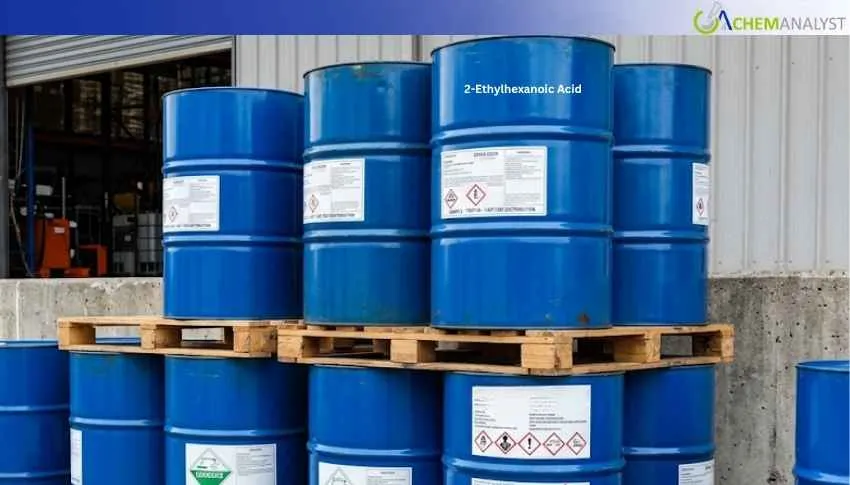
A key driver behind the increase of 2-Ethylhexanoic Acid was the strength in export markets, where elevated feedstock costs kept supplier offers firm. 2-Ethylhexanoic Acid producers in Asia and Europe maintained higher pricing levels due to rising input costs, particularly for propylene and 2-ethylhexanol, which directly increased production expenses for 2-Ethylhexanoic Acid and pushed import quotations higher for U.S. buyers.
Upstream feedstock propylene markets remained under significant pressure globally. Prices surged as crude oil and propane costs increased sharply amid disruptions linked to the Strait of Hormuz and the ongoing U.S.–Israeli conflict with Iran. As a critical refining and petrochemical derivative, propylene costs rose steadily, providing strong cost-push support to downstream products including 2-Ethylhexanoic Acid.
Further tightening in feedstock supply was observed due to operational disruptions. Several major petrochemical companies in Asia declared force majeure or reduced operating rates due to raw material shortages. These included Yeochun NCC Co (YNCC) in South Korea, Chandra Asri in Indonesia, Aster Chemicals and Energy in Singapore, and Rayong Olefins in Thailand, all of which produce key feedstocks such as propylene. As of mid-March, around 31 force majeure or sales allocation announcements were reported across Asia and the Middle East, highlighting the severity of supply constraints.
Feedstock 2-ethylhexanol markets also remained firm, supported by rising upstream costs and constrained availability.
Disruptions to oil and petrochemical flows through the Strait of Hormuz, which handles approximately 20% of global oil supply and $20 billion to $25 billion worth of petrochemical trade annually, significantly impacted global supply chains. Rising freight rates, war-risk insurance premiums, and bunker fuel costs increased import costs for 2-Ethylhexanoic Acid and delayed shipments, reinforcing higher offers in the U.S. market.
On the supply side, limited domestic production of 2-Ethylhexanoic Acid and heavy reliance on imports further tightened availability. Reduced import volumes combined with strong export pricing from overseas suppliers constrained spot market liquidity, allowing sellers to maintain elevated offer levels.
Demand conditions remained uneven across downstream sectors. Consumption from paint driers, plasticizers such as PVB, and synthetic lubricants including polyolesters stayed limited due to weak activity in the construction sector. Sluggish construction trends continued to weigh on demand, leading to cautious procurement strategies among buyers.
Despite limited downstream demand, buyers engaged in advance stocking to secure material amid supply concerns and rising costs. This precautionary purchasing behavior, combined with tight supply, supported continued upward momentum in prices.
Looking ahead, 2-Ethylhexanoic Acid prices are expected to remain firm with further upside potential. Persistent geopolitical risks, tight propylene supply, and rising crude oil prices are likely to sustain strong cost support for 2-Ethylhexanoic Acid. Additionally, ongoing supply disruptions and elevated freight costs may continue to limit availability of 2-Ethylhexanoic Acid. However, weak downstream demand may moderate the pace of increases, keeping the market volatile at elevated levels in the near term.







Leave a Comment
Comments (0)