Welcome To ChemAnalyst
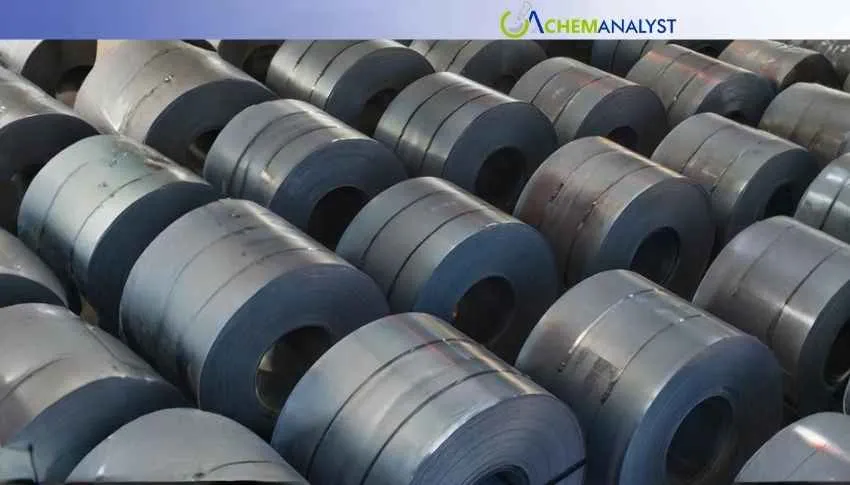
The HR Strip market in India moved into early May on a softer footing as abundant domestic supply and muted downstream activity outweighed the limited cost push from freight and energy. Early April saw brief restocking interest, but sentiment eased once large inflows of coking coal, scrap and duty free coil expanded prompt availability. Integrated mills continued to run at high operating levels, while stockists reduced HR strip purchases ahead of the monsoon, keeping transactional levels under pressure. Sectoral trends were uneven: construction demand weakened with project completions, while meltshops and integrated producers remained comparatively firm. Automotive stamping held steady, but welded pipe and irrigation related buying lagged. Supply side shifts, including tighter processed scrap availability and increased reliance on imported feedstock, shaped producer costs and HR strip availability. Weekly assessments showed a steady downward bias through early May as softer demand outweighed stable production. Looking ahead, the HR Strip market is expected to experience mixed movement influenced by freight trends, seasonal demand and shifting import flows.
India’s HR Strip market softened in early May as abundant domestic supply and muted downstream activity outweighed a modest cost push from freight and energy. Early April brought brief optimism and selective restocking, but mid-April saw large inflows of coking coal, scrap and duty-free HR coil, expanding prompt availability and easing market sentiment. Toward late April and into early May, integrated mills continued operating at high run-rates following a strong production print, while HR strip stockists reduced purchases ahead of the monsoon. At the same time, rising bunker and LNG/gasoil costs linked to Middle East tensions created only a limited cost headwind, which domestic supply largely absorbed. As a result, transactional levels for HR Strip remained under pressure through the opening weeks of May, reflecting a market shaped more by supply abundance than cost escalation.
End-user trends diverged across sectors as buyers balanced material availability with project...
We use cookies to deliver the best possible experience on our website. To learn more, visit our Privacy Policy. By continuing to use this site or by closing this box, you consent to our use of cookies. More info.




