AkzoNobel Aerospace Coatings has successfully completed a major stage of its €22 million expansion project at its Pamiers manufacturing facility in France, marking significant progress in strengthening its aerospace coatings production capabilities across Europe. The investment is designed to increase manufacturing capacity, enhance technical expertise, improve operational efficiency, and support the company's long-term sustainability objectives while meeting rising demand from the global aerospace industry.
The latest developments are part of a broader modernization initiative that aims to position the Pamiers site as a future-ready production hub capable of manufacturing advanced aerospace coating solutions. Once the entire project is finalized, the upgraded facility will deliver higher production output, more efficient operations, and stronger support for the development of innovative coating technologies tailored to evolving customer requirements.
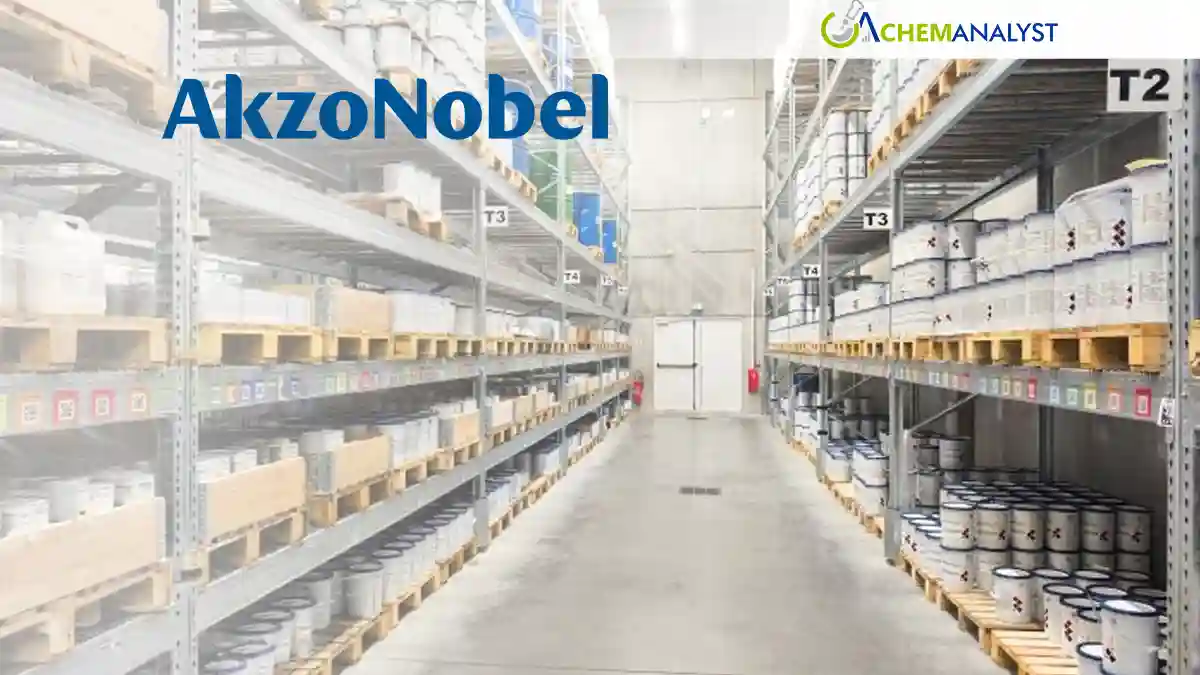
A major component of the expansion is the construction of a new warehouse offering more than 2,000 square meters of additional storage capacity for both raw materials and finished products. The warehouse incorporates advanced temperature-controlled storage areas that help preserve product quality while improving inventory management and supply chain efficiency.
AkzoNobel has also completed a modern 638-square-meter waste management facility equipped with state-of-the-art sprinkler technology featuring zoned automatic detection and controlled intervention systems. These improvements are intended to strengthen operational safety and ensure better environmental management at the production site.
Quality Control operations have also undergone substantial upgrades. The company has installed four new application cabins to expand testing capabilities, along with a dedicated application cabin specifically designed for chromate-containing products. This specialized unit includes enhanced insulation and secure airlock access to maintain strict safety and regulatory standards.
In addition, eight new laboratory workstations fitted with integrated extraction hoods have been introduced, increasing the site's Quality Control capacity by approximately 166%. These enhancements will enable faster and more comprehensive testing procedures while supporting the production of increasingly sophisticated aerospace coatings.
Manufacturing operations have also benefited from the installation of precision weighing equipment, additional paint storage tanks, and a new automated beads mill dedicated to producing next-generation non-chromate coatings. Furthermore, a redesigned production layout and optimized workflow organization are expected to improve manufacturing flexibility, reduce operational bottlenecks, and increase overall productivity.
According to Arnaud Charmetant, Site Manager at AkzoNobel, the investment reflects the company's continued commitment to serving the aerospace sector through enhanced production capacity, improved quality standards, and ongoing innovation. He added that modernizing the Pamiers facility not only strengthens manufacturing capabilities but also creates a more sustainable and technologically advanced site that will accelerate the development of future aerospace coating solutions.
Impact on Products and ChemAnalyst Chemical Commodity Prices
The expansion will strengthen the availability of aerospace coatings, particularly advanced non-chromate and specialty protective coatings, enabling AkzoNobel to better meet increasing demand from aircraft manufacturers and maintenance providers. Higher production efficiency and improved quality control are expected to enhance supply reliability while supporting the industry's transition toward environmentally compliant coating technologies. From a ChemAnalyst commodity perspective, the project is unlikely to trigger immediate price changes in key chemical feedstocks such as epoxy resins, acrylic resins, polyurethane resins, solvents, pigments, and specialty additives. However, sustained growth in aerospace coatings production could gradually increase demand for these raw materials, providing modest long-term price support, particularly for specialty coating intermediates.








 About ChemAnalyst
Leave a Comment
Comments (0)