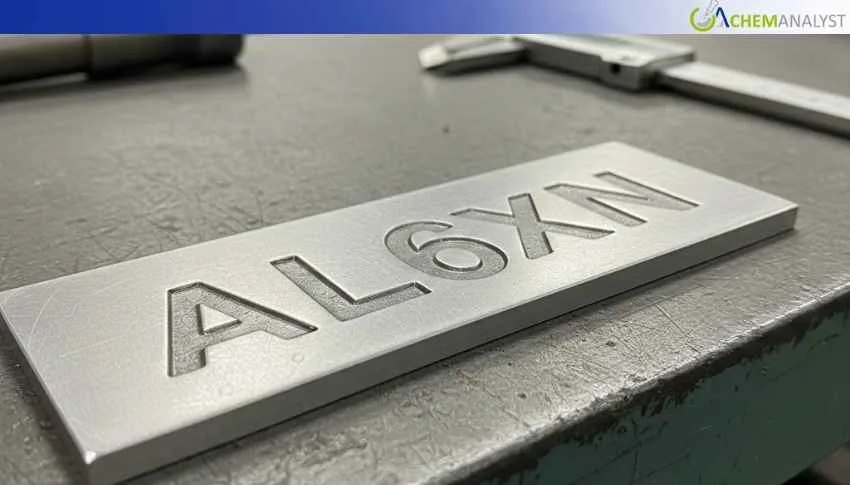
The AL6XN 3 mm sheet delivered to Houston in November 2025 marked a 2.2% decrease from October 2025. The decrease in AL6XN price was due to decreased costs of alloy surcharges, primarily attributed to declines in LME nickel and molybdenum prices. There continues to be sufficient supply for AL6XN as both ATI Brackenridge and Outokumpu Calvert were able to maintain normal operational schedules without interruption due to maintenance issues. As for the suppliers' actions, the mills were generally maintaining their list prices of AL6XN, while offering greater discounts to maintain their sales volume.
Demand for AL6XN remained stable despite not gaining any momentum. Biopharmaceutical equipment manufacturers continued their planned expansion efforts but utilized the majority of the allocated contracts to fulfil them instead of needing new spot requests. Marine and food-processing clients have primarily been focused on renewing current contracts rather than placing new orders; therefore, there has been no increase in demand from these sectors. The desalination industries have temporarily held off stocking product on a forward basis due to uncertainty regarding 2026 budgets.
AL6XN plate prices have experienced a relatively small decline over the past year in China (shanghai) of 2.2%. Jiangsu and Fujian mills are operating very close to their nameplate production rates due to continuation of operations and the decrease in prices for their alloy inputs. There have been no interruptions of AL6XN shipment by smooth containers to shanghai and Ningbo, and there is an additional stable supply of the product via inventory stores in both bonded zones.
Demand in China softened due to project delays rather than structural decline. Offshore energy fabricators postponed desalination module installations, and petrochemical EPC contractors delayed PTA reactor orders to align with December or early 2026 budget cycles. Pharmaceutical heat-exchanger producers maintained routine buying, consuming stock previously built, while distributors prioritized de-stocking ahead of financial year-end audits. Trader and end-user caution kept AL6XN spot activity subdued despite a firmer renminbi improving import affordability.
According to ChemAnalyst, AL6XN price movement in both the U.S. and China will be controlled over the next few weeks. This will be due to supplier actions including special price reductions, continued manufacturing activities and a stable price for raw materials that may continue to exert pressure downward. Alloy prices may fluctuate in the short term due to alloy prices changing, project schedules and purchasing patterns of end users; however consistent supply of AL6XN by the Primary Mills should provide a stable price atmosphere for the product.







Leave a Comment
Comments (0)