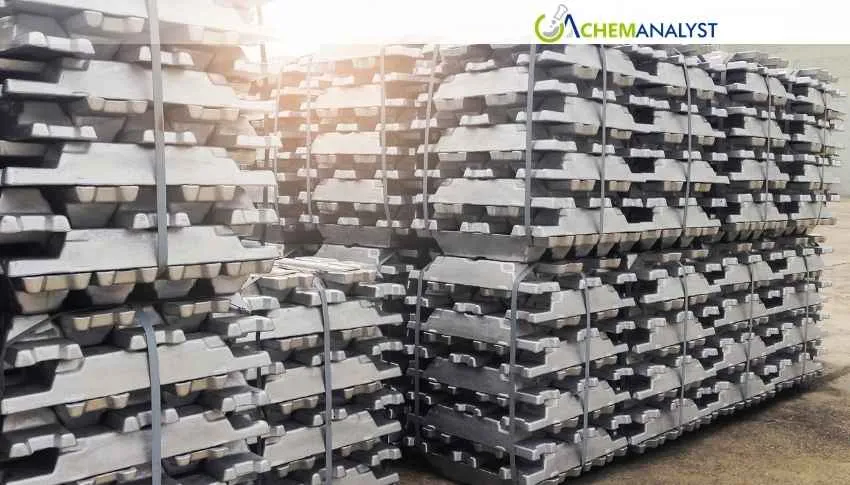
Global aluminium prices have climbed to their highest levels in four years, supported by a combination of supply-side challenges and rapidly growing demand from emerging technology sectors. The metal has recorded a remarkable rally, advancing approximately 24% since the beginning of the year and more than 50% over the past twelve months. Market participants attribute the sustained price increase to tightening supply conditions, geopolitical uncertainties, and expanding consumption across industries linked to artificial intelligence, renewable energy, and electric mobility.
One of the primary factors driving the upward momentum is the disruption of aluminium supply chains in West Asia. Ongoing regional uncertainties have raised concerns about the availability and smooth transportation of raw materials and finished products, contributing to a tighter global market. At the same time, China, the world's largest aluminium producer, continues to maintain production controls aimed at managing energy consumption and environmental targets. These restrictions have limited the scope for significant increases in output, reducing the market's ability to respond quickly to rising demand.
Demand growth has emerged as another key pillar supporting aluminium prices. The rapid expansion of artificial intelligence infrastructure, particularly data centres, has increased the need for lightweight and highly conductive materials used in electrical systems and cooling applications. In addition, the accelerating adoption of electric vehicles has boosted aluminium consumption, as manufacturers increasingly use the metal to reduce vehicle weight and improve energy efficiency. The renewable energy sector, especially solar panel manufacturing, has also become a major consumer of aluminium, further strengthening market fundamentals.
Supply concerns have been amplified by restrictions on bauxite exports in certain producing regions. Since bauxite serves as the primary raw material for aluminium production, limitations on its availability have created additional pressure throughout the supply chain. Smelters and refiners are facing higher input costs and reduced flexibility in sourcing raw materials, factors that are ultimately reflected in higher aluminium prices.
Trade policy developments in the United States have also contributed to market uncertainty. Changes in tariffs and import regulations have influenced global trade flows, creating shifts in regional supply-demand balances. These adjustments have encouraged buyers to secure supplies in advance, adding further support to prices.
Industry analysts and brokerage firms remain optimistic about aluminium's outlook for the remainder of the year. Many expect the market to stay relatively tight as structural demand from technology, transportation, and clean energy sectors continues to grow. With supply constraints showing few signs of easing and demand remaining robust, aluminium prices are likely to remain elevated. Market observers believe that unless there is a significant increase in global production or a sharp slowdown in industrial activity, the metal could continue trading near multi-year highs in the coming months.








 About ChemAnalyst
Leave a Comment
Comments (0)