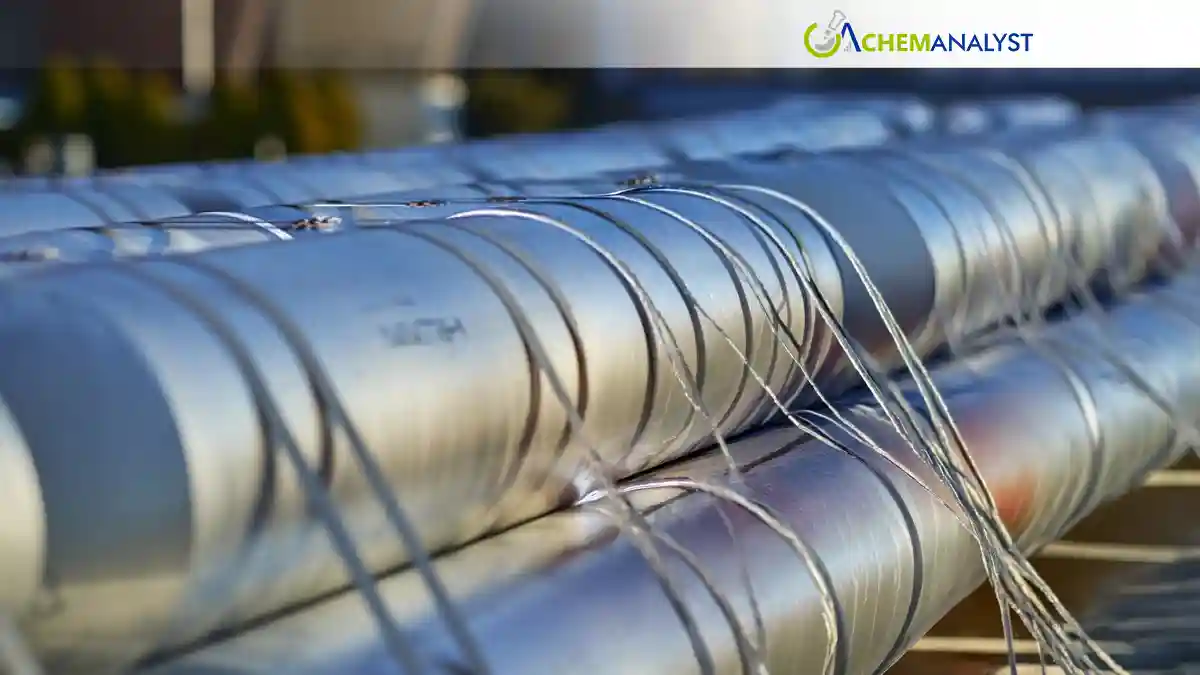
The global aluminum market is experiencing a significant supply shock, prompting the revival of long-idled Western smelters. This disruption, described by analysts as the largest in the base metals market since 2000, has led to a re-evaluation of supply chains and increased investment in domestic production.
Several factors have contributed to the current aluminum supply crisis. Geopolitical tensions in the Middle East, including military conflicts and the blockade of the Strait of Hormuz, have severely impacted key Gulf smelters in Qatar, Bahrain, and the UAE. These operations account for about nine percent of global smelting capacity, excluding China, with an estimated two million tons of annual production disrupted. Additionally, Western sanctions on Russian metal, particularly from Rusal, have further tightened non-Russian supplies. The market also faces structural constraints, such as China operating near its production cap and high energy prices in Europe, which previously led to numerous smelter closures.
In response to the deficit, several Western aluminum smelters are restarting or increasing capacity. Magnitude 7 Metals is reactivating its New Madrid smelter in Missouri, and Norwegian producer Hydro has announced a partial restart of its Slovalco joint venture smelter in Slovakia. Alcoa is also restarting a potline at its Warrick, Indiana, smelter and exploring a potential restart in Wenatchee, Washington. While these restarts are politically significant for reducing import dependency, they are often partial and face substantial challenges.
Restarting old smelters is a complex and costly endeavor. Many facilities are outdated, energy-intensive, and require significant capital investment for maintenance and upgrades. The industry also struggles with labor shortages, making it difficult to find skilled workers for these specialized operations. For example, Hydro's Husnes smelter restart took eight years and substantial investment.
The supply shock has driven aluminum prices higher, with the London Metal Exchange (LME) aluminum prices rising significantly. Non-Russian aluminum commands a premium due to the scramble for alternative supplies. This situation creates opportunities for low-cost smelters and integrated producers to expand margins. There is also a strong push towards lower-carbon aluminum production, with new or restarted facilities often emphasizing renewable energy sources to meet customer demand and regulatory requirements.
The crisis highlights Western vulnerability in aluminum supply, a metal critical for diverse industrial sectors including aerospace, automotive, and power infrastructure. Reducing reliance on Russian and Middle Eastern supplies is a strategic priority for Washington and Brussels. This has spurred investment in domestic and allied production, with countries like Canada and Norway positioned as stable, low-carbon suppliers for North American and European buyers. Despite these efforts, the global aluminum market is expected to remain in deficit, with estimates ranging from 365,000 tons to over two million tons.
Impact on ChemAnalyst-Tracked Commodity Prices
This aluminum disruption will likely ripple across related chemical commodities. Alumina and bauxite prices could firm up as smelters ramp up feedstock demand. Energy-intensive production may pressure natural gas and power markets in Europe. Additionally, downstream aluminum-dependent chemical applications (coatings, alloys, packaging) could see cost pass-through effects, prompting ChemAnalyst to monitor tightening margins, premium pricing for non-Russian metal, and potential volatility across base metal and energy-linked chemical value chains through 2026.








 About ChemAnalyst
Leave a Comment
Comments (0)