As the global automotive sector accelerates its transition toward electric mobility, the performance expectations placed on engineering plastics are rising sharply. Components used in electric vehicles (EVs), particularly those located under the hood, are now exposed to far more demanding operating conditions than those found in conventional internal combustion engine vehicles. One of the most significant changes concerns long-term ageing resistance, especially for plastics that are continuously in contact with aggressive chemical environments.
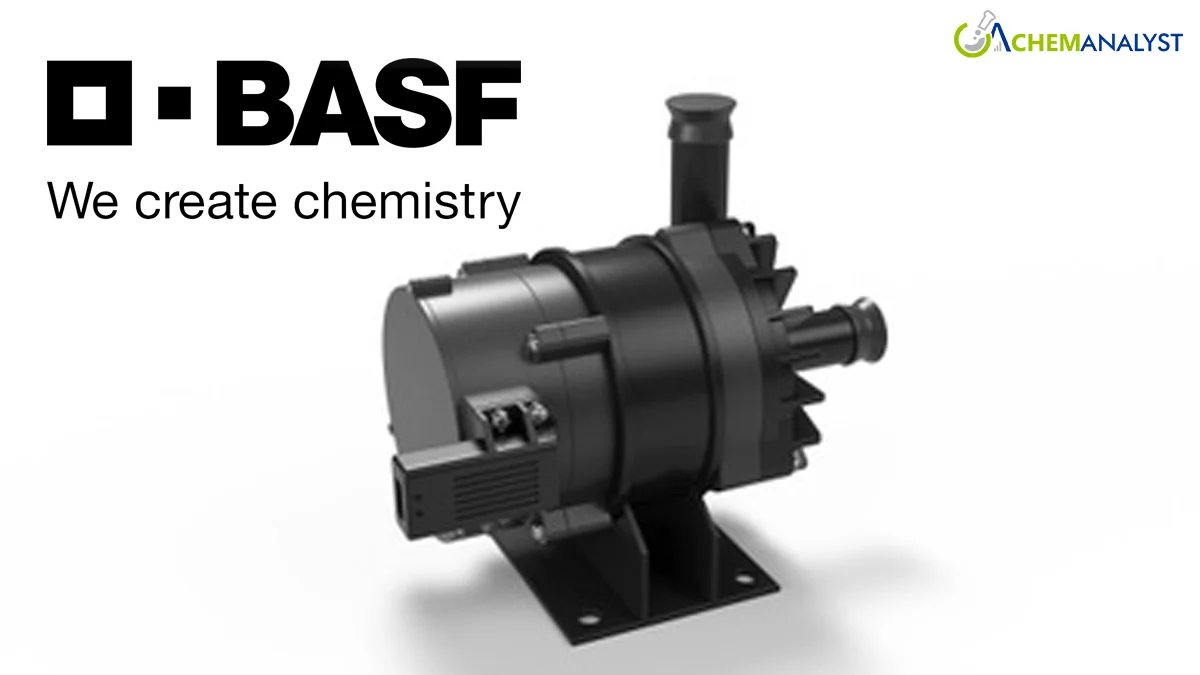
In electric vehicles, battery systems undergo frequent charging cycles that must be maintained at a stable operating temperature to ensure safety, efficiency, and performance. These continuous thermal loads substantially increase the expected service life of plastic components, extending requirements to approximately 45,000 to 55,000 operating hours at elevated temperatures. This represents a dramatic increase compared with the roughly 5,000-hour lifespan typically expected from plastics used in traditional combustion engine applications. Such components are commonly found in pumps, valves, and other functional parts within the engine compartment, where durability and chemical stability are critical.
To address these evolving demands, BASF has expanded and refined its material testing methodologies. Historically, the durability of engineering plastics was primarily evaluated through air-heat ageing tests. While effective for earlier applications, these tests no longer fully reflect the real-world conditions experienced by EV components. Recognizing this gap, BASF has now adapted proven testing approaches to include hydrolysis ageing, which involves prolonged exposure to water-glycol mixtures commonly used in automotive cooling systems.
A key scientific tool in this evaluation process is the Arrhenius equation. This equation describes the relationship between temperature and the rate of chemical reactions, enabling researchers to accelerate ageing tests at higher temperatures and reliably predict long-term material behavior under normal operating conditions. By applying this method to hydrolysis storage environments, BASF can generate highly accurate service-life projections for advanced polymer materials used in electric vehicles.
Within a comprehensive testing program initiated in August 2020, BASF examined a next-generation polyamide from its advanced materials portfolio. This innovative material, marketed under the name Ultramid, has been specifically engineered to meet both current and future automotive requirements. Its performance characteristics include enhanced resistance to hydrolysis, excellent laser markability, glass fiber reinforcement for improved mechanical strength, and a low halogen content that supports sustainability and regulatory compliance.
The long-term test results have been particularly encouraging. After five years of accelerated ageing under hydrolysis conditions, the material’s performance data can be reliably extrapolated to service lives exceeding 100,000 hours. This level of durability far surpasses current industry requirements and offers vehicle manufacturers a high degree of confidence in the long-term reliability of plastic components for both passenger cars and commercial trucks.
By combining advanced material formulation with rigorous, application-relevant testing methods, BASF is helping the automotive industry overcome one of the key material challenges associated with electrification. These innovations ensure that polymer components can withstand the demanding thermal and chemical environments of eMobility, while supporting safety, longevity, and future vehicle design flexibility.







Leave a Comment
Comments (0)