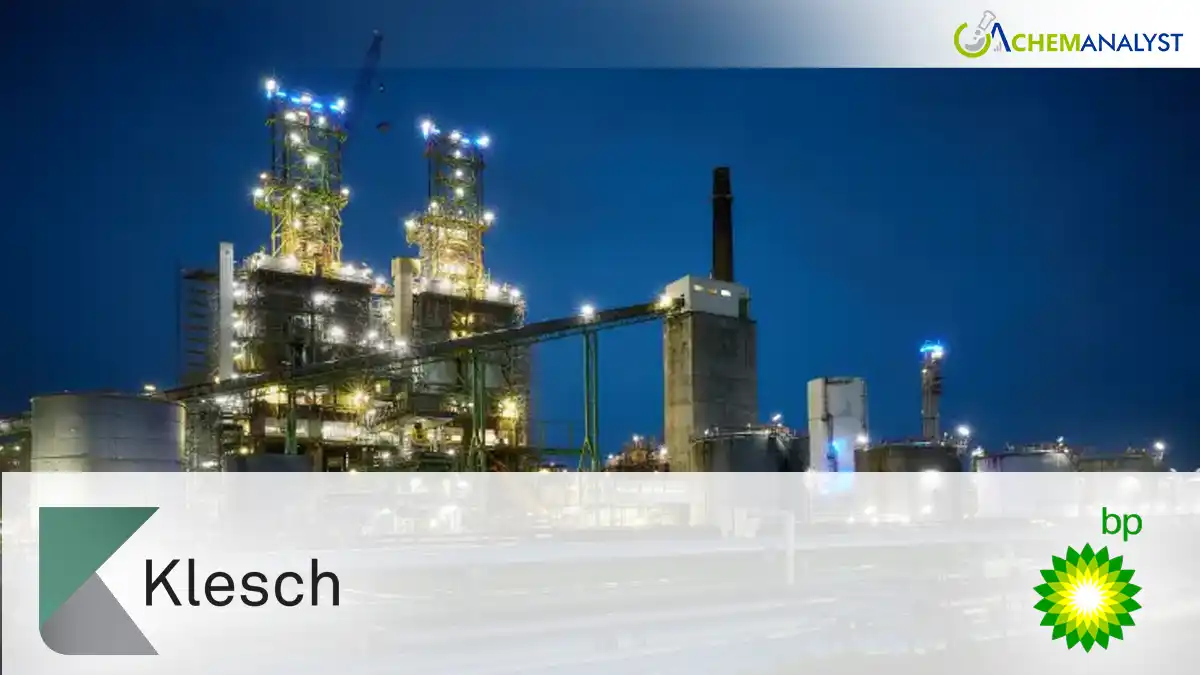
bp has entered into a definitive agreement to divest its Gelsenkirchen refinery and associated operations to Klesch Group, marking another decisive step in the company’s ongoing strategy to streamline its global portfolio. The move underscores bp’s broader objective of simplifying operations, strengthening its financial position, and concentrating its downstream activities on more integrated and higher-performing assets.
This transaction is aligned with bp’s updated financial targets, as the company now aims to achieve structural cost reductions in the range of $6.5 billion to $7.5 billion by 2027. A significant portion of these anticipated savings—estimated at approximately $1 billion—will come from reduced operating expenditure tied to the Gelsenkirchen site. With this revision, bp’s cost-cutting ambition now represents nearly 30% of its 2023 cost base. Notably, this is the second upward revision of its savings goal in recent years, following an initial target of $4–$5 billion announced in early 2025 and a subsequent increase to $5.5–$6.5 billion in 2026 after a strategic review of Castrol operations.
From a financial perspective, the deal is expected to enhance bp’s balance sheet while also being accretive to free cash flow, based on the refinery’s historical performance. In addition, the divestment contributes to lowering the company’s overall cash breakeven point within its remaining refining portfolio. While the final transaction value will depend on customary adjustments—such as inventory valuation at the time of completion—the agreement also includes the transfer of certain liabilities, further supporting bp’s financial restructuring efforts.
Commenting on the development, Carol Howle, interim CEO of bp, highlighted that the transaction reflects the company’s commitment to disciplined portfolio management. She emphasized that bp continues to take proactive steps to reduce complexity, improve resilience, and enhance shareholder value by focusing on sustainable cash flow generation and returns. Meanwhile, Patrick Wendeler, bp’s country head for Germany, acknowledged the refinery’s long-standing contribution to the company’s operations and expressed confidence in Klesch Group’s ability to successfully manage and develop the asset going forward.
The Gelsenkirchen refinery is a major industrial facility with an annual crude processing capacity of approximately 12 million tonnes. It plays a crucial role in producing fuels for both road transport and aviation, while also supplying essential feedstocks to the petrochemical sector across Germany and Europe. The sale package includes not only the refinery itself but also the Bottrop tank farm, the subsidiary DHC Solvent Chemie GmbH, stakes in logistics joint ventures, and various marketing operations linked to petrochemicals and unbranded B2B fuels.
To ensure continuity of supply in the region, bp has secured offtake agreements with the buyer covering key products such as ground fuels, aviation fuel, and coke. These arrangements will help maintain bp’s presence in regional fuel markets despite the divestment of the refining asset.
The transition will also involve the transfer of the refinery’s workforce, with around 1,800 employees expected to join the new owner upon completion. This includes personnel involved in logistics and sales functions, ensuring operational continuity under Klesch Group’s ownership.
Pending regulatory and governmental approvals, the transaction is anticipated to be finalized in the second half of 2026, further advancing bp’s long-term transformation strategy.







Leave a Comment
Comments (0)