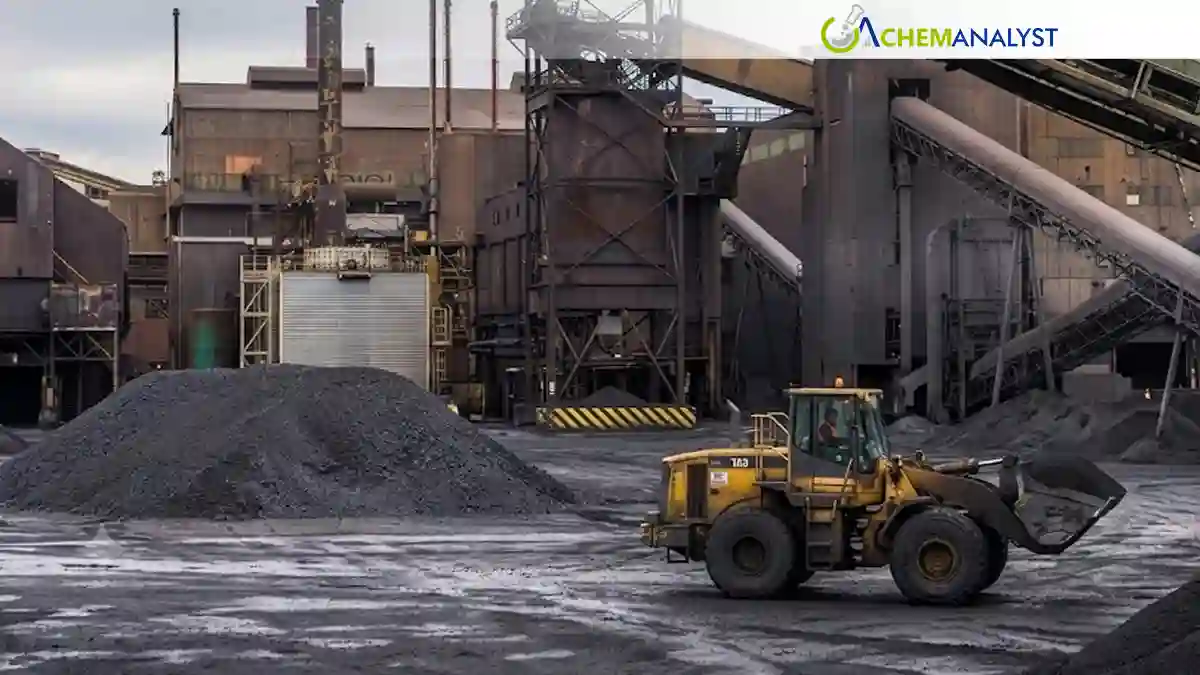
British green technology startup Natrium Redox Technologies has submitted a firm proposal to the Tasmanian government to acquire and restart Australia’s only manganese smelter, aiming to strengthen supplies for the global battery and electric vehicle industries.
The Liberty Bell Bay (LBB) Smelter in Tasmania has remained inactive since suspending operations in mid-2025. The facility, previously owned by British industrialist Sanjeev Gupta’s GFG Alliance, entered voluntary administration in March and moved into liquidation this month after a proposed sale failed. The facility is currently under the control of its liquidator, which is overseeing decisions regarding its future and potential sale.
Natrium Redox Technologies said it has worked with the relevant authorities on its proposal for approximately six months and has also briefed the Australian federal government. The company is seeking joint government funding of up to A$15 million, or approximately US$10.75 million, to support a 16-week restart program. It also wants the existing electricity contract to remain in place during the restart.
Tasmanian Business Minister Felix Ellis said several potential pathways for the site had been presented, but no transaction had been completed and the government had made no commitments.
Under its proposal, Natrium Redox Technologies would initially restart the smelter using conventional manganese-processing technology. It then plans to establish a pilot plant based on its proprietary process for producing high-purity, low-emission manganese powder.
The proposed technology replaces coking coal with liquid sodium to remove oxygen from manganese ore. According to the company, the process operates at lower temperatures than conventional smelting and avoids direct carbon emissions.
Natrium expects the technology could eventually increase production at the site by 20% to 40%. More importantly, the company plans to shift Liberty Bell Bay away from conventional manganese alloys toward higher-value, battery-grade manganese materials.
The transition could improve the site's long-term commercial prospects as demand for manganese-based materials grows alongside battery and electric vehicle production. Natrium also expects the project to restore more than 200 jobs associated with the former smelter while creating additional employment during construction.
The company has separately proposed addressing an estimated A$210 million environmental liability linked to decades of accumulated slag and waste. It says its plan could reduce the government's environmental burden while supporting the site's redevelopment.
Natrium stressed that a rapid decision is important because prolonged furnace shutdowns can make restarting industrial equipment increasingly difficult and expensive. A successful restart could therefore preserve an important Australian critical-minerals asset while creating a pathway toward cleaner and higher-value manganese production.
Product Impact and Chemical Commodity Price Impact
The proposed restart would be positive for manganese products, particularly manganese alloys and battery-grade manganese materials. Reopening Liberty Bell Bay could increase regional supply and reduce concerns over Australia’s dormant manganese-processing capacity. The planned 20%–40% production increase and eventual battery-grade output could improve availability for steelmaking and battery applications. Initially, the restart may have limited influence on global prices because the facility would require time to return to full operations. However, successful commercialization could place mild downward pressure on manganese alloy prices by adding supply. Battery-grade manganese products may remain relatively firm because EV and energy-storage demand continues to support higher-value material consumption.








 About ChemAnalyst
Leave a Comment
Comments (0)