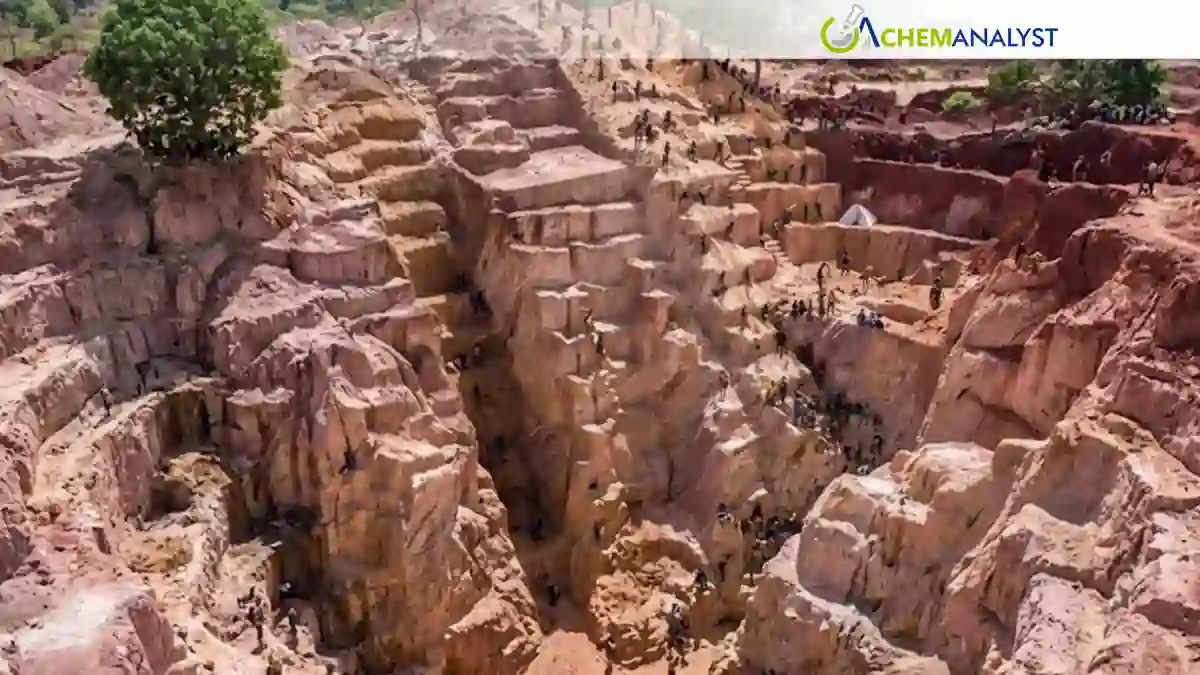
More than 100 people were killed after an artisanal gold mine collapsed in the Central African Republic on Tuesday, according to a senior official from a local mining association. The incident occurred in Zamboye, a village located near the country’s border with Cameroon, and has triggered rescue operations and an investigation into the circumstances surrounding the disaster.
A local prosecutor confirmed the mine collapse but said authorities were still working to determine the exact number of fatalities and other details related to the accident. Rescue teams continued their efforts at the site as officials assessed the extent of the destruction and searched for potential survivors.
Authorities have also begun efforts to determine how the mine was being operated and whether safety requirements were followed. The prosecutor said an investigation would be launched to establish the cause of the collapse and identify those responsible for managing the mining site. The findings could provide greater clarity on whether structural weaknesses, unsafe mining practices, or inadequate oversight contributed to the tragedy.
The incident has also prompted a response from neighboring Cameroon. Cameroonian authorities said they were prepared to receive injured individuals who might cross the border in search of medical assistance. The offer reflects the cross-border humanitarian concerns created by the disaster, particularly because Zamboye is located close to Cameroon.
Artisanal and small-scale mining remains an important source of employment and income for communities across Africa. Thousands of people depend on informal mining activities to support their families, particularly in regions where employment opportunities are limited. Gold mining can provide crucial income for local populations and contribute to regional economic activity.
However, artisanal mining operations frequently face challenges associated with limited regulation, inadequate infrastructure, poor working conditions, and insufficient safety measures. These factors can significantly increase the likelihood of mine collapses, injuries, and fatalities.
The Central African Republic tragedy could renew attention on the need for stronger regulation and improved safety standards across artisanal mining operations. Greater monitoring, safer mine designs, worker training, and emergency preparedness could help reduce the risks faced by miners.
The collapse is also likely to increase scrutiny of informal gold production in the country. Authorities may strengthen oversight of mining sites and investigate whether operators comply with existing regulations. For the local mining sector, tighter controls could raise operating costs but may also improve worker safety and promote more responsible gold production over the longer term.
Product Impact
The immediate impact on gold is likely to be limited because the incident involves artisanal production in the Central African Republic and does not represent a major disruption to global gold supply. However, tighter government scrutiny and potential restrictions on unsafe mining operations could temporarily reduce local gold output. For chemical commodities tracked by ChemAnalyst, the direct impact should remain minimal. Gold mining uses chemicals such as cyanide, mercury, and certain flotation reagents, but the affected operation is relatively small. Any broader regulatory crackdown on artisanal mining could slightly weaken regional demand for mining chemicals, potentially creating mild downward pressure on prices.






 About ChemAnalyst
Leave a Comment
Comments (0)