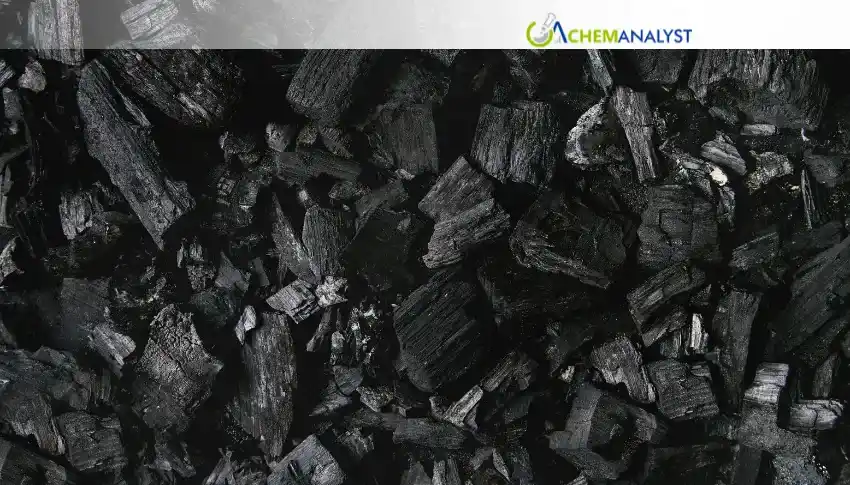
Charcoal prices increased steadily through July as adverse weather conditions disrupted logistics and delayed raw material deliveries to major production hubs. Heavy rainfall and flooding slowed transportation across several regions, restricting kiln operations and reducing the availability of prompt cargoes. As supply tightened, traders became increasingly reluctant to sell at discounted levels, supporting the upward price trend throughout the month.
Demand remained mixed across key downstream sectors. Consumption from the steel and chemical industries stayed relatively stable, with washed lump coal demand from coking and chemical producers providing indirect support to the Charcoal market. Household cooking and food-service consumption also remained resilient, while industrial buyers largely maintained purchase-as-needed strategies amid uncertain economic conditions and sufficient inventories.
Charcoal supply-side conditions tightened noticeably during July. More than thirty coal mines across Shaanxi, Inner Mongolia, and Shanxi increased prices for washed and processed coal, raising production costs for Charcoal manufacturers. Essential demand from chemical and coking industries strengthened washed lump coal prices, while persistent rainfall disrupted raw material transportation and delayed replenishment, further tightening market availability.
Market sentiment improved as inventories gradually declined. Charcoal inventory levels remained relatively low throughout the month, encouraging traders to raise quotations and resist lower bids. Low-priced material became increasingly difficult to secure as distributors focused on preserving inventories rather than accelerating sales. This shift from aggressive destocking in June to cautious selling helped stabilize the market and supported higher Charcoal offers.
International developments also contributed to the firmer market. Renewed geopolitical conflicts in the Middle East strengthened global energy sentiment and kept imported coal prices elevated through higher freight and shipping costs. These factors reinforced domestic pricing, as higher replacement costs reduced sellers' willingness to offer discounts despite only moderate downstream demand.
The broader outlook remains mixed. Weak global economic growth, persistent inflation across several export markets, and uncertainty surrounding international tariff policies, including concerns over additional U.S. trade measures, may continue to weigh on charcoal export demand. While geopolitical risks and higher freight costs could encourage precautionary restocking, sustained price recovery will ultimately depend on stronger industrial consumption and improving overseas buying activity.







Leave a Comment
Comments (0)