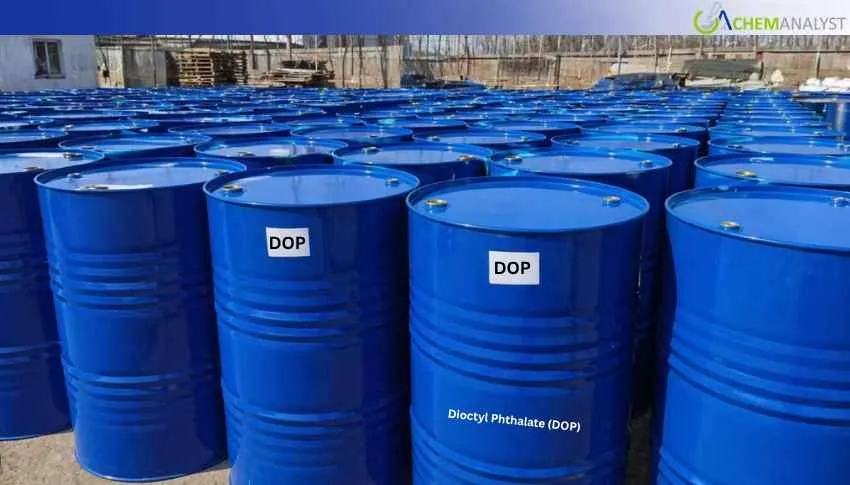
The Chinese plasticizer market witnessed a dramatic upswing in March 2026, with Dioctyl Phthalate (DOP) prices surging by nearly 30.7% amid extreme volatility. The market followed a “rollercoaster” trajectory, marked by rapid price spikes, intermittent pullbacks, and eventual stabilization toward the end of the month. Prices climbed sharply at the beginning of March 2026, driven primarily by strong cost-side pressures.
The key catalyst behind this DOP price surge was the sharp rise in upstream crude oil prices, fueled by escalating geopolitical tensions in the Middle East and disruptions in shipping routes such as the Strait of Hormuz. This triggered a cascading effect across the chemical value chain, significantly increasing the cost of critical DOP feedstocks, including isooctanol and phthalic anhydride. Isooctanol prices alone surged by over 40% in early March, while phthalic anhydride prices recorded an even steeper rise of nearly 60% during the same period.
Despite stable operating rates in downstream industries like PVC, DOP demand remained relatively weak. Buyers largely adopted a cautious, need-based procurement strategy, resulting in limited transaction volumes even as prices soared. On the supply side, DOP plant operating rates gradually improved to around 65–66%, but tight spot availability and firm pricing intentions from manufacturers helped sustain the bullish trend. Overall, March was characterized by cost-driven price escalation rather than strong demand fundamentals.
Moving into April 2026, the DOP market has shown early signs of correction. After an initial rise, DOP prices began to decline slightly, with values easing. This shift is largely attributed to a cooling in crude oil prices following a temporary ceasefire agreement between the United States and Iran. The reopening of key shipping routes reduced supply concerns, causing oil prices to retreat and subsequently lowering the cost of upstream raw materials.
Isooctanol and phthalic anhydride prices have both followed this downward trend, reducing production costs for DOP and exerting mild pressure on market prices. However, the decline is expected to remain limited. Continued supply constraints in certain upstream facilities and the relatively high-cost base are likely to prevent any sharp drop in DOP prices.
In the near term, the Chinese DOP market is expected to enter a phase of weak consolidation. While easing cost pressures may lead to slight price declines in April, overall market fundamentals suggest that prices will remain relatively firm. As per ChemAnalyst, market participants are likely to remain cautious, focusing on short-term demand and closely monitoring crude oil trends for further direction.








 About ChemAnalyst
Leave a Comment
Comments (0)