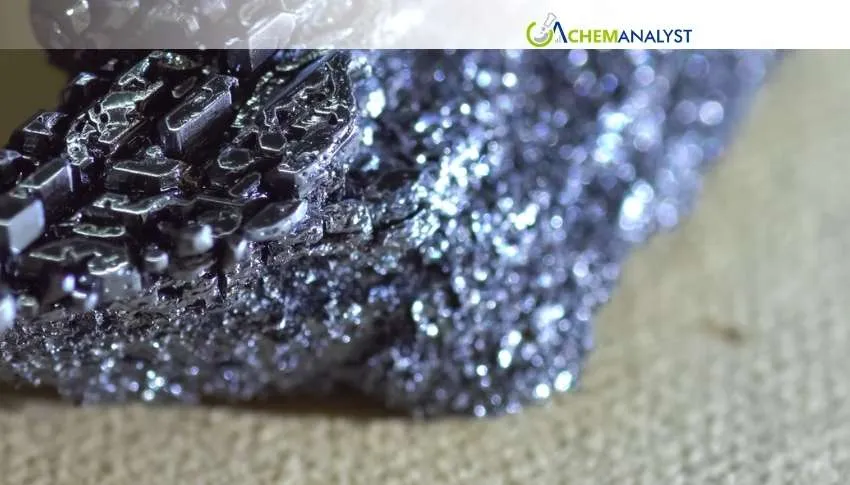
China's iodine market remained broadly stable throughout July 2026 following the 0.12% month-on-month decline recorded in June, as balanced import supply and cautious downstream procurement continued to shape trading activity. After June's slight correction, iodine prices largely stabilized during July, supported by comfortable inventories and uninterrupted import arrivals from Chile and Japan. Buyers maintained conservative procurement strategies, restricting purchases to immediate production requirements rather than rebuilding inventories. Although the Chinese yuan remained relatively soft against the U.S. dollar, slightly increasing replacement costs, the impact on iodine pricing remained limited as ample supply continued to outweigh cost pressures.
Demand for iodine remained mixed across downstream industries during July. Pharmaceutical manufacturers continued routine procurement of iodine for X-ray contrast media, povidone-iodine antiseptics, and pharmaceutical intermediates, providing the market's strongest source of stability. Electronics producers also maintained steady purchases of high-purity iodine derivatives for LCD polarizers and specialty electronic chemicals, while disinfectant and biocide consumption remained largely unchanged. Feed-additive demand stayed seasonally subdued, limiting broader buying momentum. Meanwhile, China's official Manufacturing PMI remained in expansion territory at 50.3, supporting stable industrial consumption across specialty chemical sectors despite the absence of aggressive spot buying.
Supply fundamentals remained comfortable throughout July. Chile and Japan continued shipping iodine cargoes on schedule, while Chinese ports at Shanghai and Tianjin reported smooth vessel handling and adequate inventories. According to the U.S. Geological Survey Mineral Commodity Summaries 2026, Chile continues to dominate global iodine production with approximately 23,000 metric tonnes, while Japan contributes around 9,000 metric tonnes, ensuring sufficient global supply for Asian importers. Stable production from these major exporters prevented any significant tightening in Chinese iodine availability during the month.
Stable energy and processing costs continued providing a production cost floor, limiting aggressive discounting despite relatively quiet spot trading. Importers also monitored shipping developments through the Middle East, where elevated marine insurance premiums and freight volatility remained potential risks for future iodine replacement costs. However, these logistical concerns did not materially disrupt July cargo arrivals, allowing suppliers to comfortably meet domestic contractual demand.
Looking ahead, China's iodine market is expected to remain largely balanced through the remainder of the third quarter. Comfortable inventories, stable import flows, and improving Chilean brine production should continue supporting market availability, while seasonal pharmaceutical restocking ahead of autumn production cycles could provide intermittent support to iodine prices. Any significant movement will likely depend on changes in freight costs, producer maintenance schedules, or stronger-than-expected downstream procurement rather than supply shortages.







Leave a Comment
Comments (0)