Welcome To ChemAnalyst
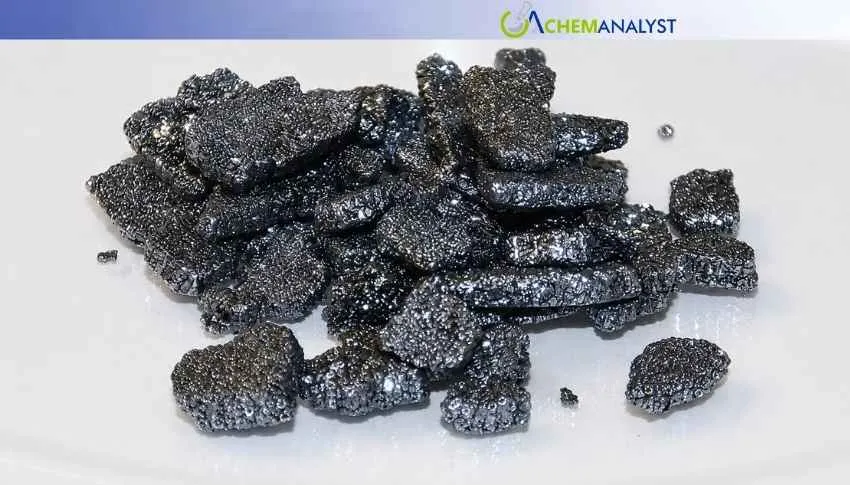
China’s iodine market recorded a slight recovery in May 2026 after experiencing a sharp decline in April. Iodine prices increased marginally by 0.15% month-on-month during May following a 3.33% drop in April, indicating continued cautious market sentiment. The April decline was mainly driven by reduced spot procurement after the post-Q1 restocking cycle, subdued demand from pharmaceutical and electronics sectors, and stable import arrivals from Chile and Japan, which maintained comfortable supply availability in the domestic market. During May, the iodine market showed signs of stabilization as downstream buyers, particularly from pharmaceutical and disinfectant sectors, resumed limited replenishment purchases. Stable export inquiries from regional markets also supported a slight increase in export prices and improved transactional activity compared to April. However, sufficient import availability and adequate domestic inventories continued to limit stronger price gains. Looking ahead, market participants expect the temporary rebound to weaken again in the coming months. Steady import flows, moderate downstream demand, and cautious procurement behavior across industrial sectors are anticipated to maintain pressure on the market, with China’s iodine prices likely to follow a gradual downward trend through the third quarter of 2026.
China’s iodine market witnessed a marginal recovery during May xxxx following the sharp decline recorded in April. The rebound remained limited, with iodine prices rising by only x.xxx month-on-month after falling by x.xx in April, reflecting continued cautious sentiment across the market. The slight increase was mainly supported by stable export activity and limited replenishment buying from downstream industries, while overall supply conditions remained comfortable.
In April xxxx, iodine prices in China moved lower as the market transitioned from the post-Qx restocking cycle into a slower hand-to-mouth purchasing environment. Pharmaceutical manufacturers had already secured most of their near-term feedstock requirements in late March, reducing spot market activity during April. At the same time, consistent import arrivals from Chile and Japan maintained sufficient iodine availability in the domestic market, allowing importers to offer discounted cargoes and placing downward pressure on prices.
Iodine demand conditions...
We use cookies to deliver the best possible experience on our website. To learn more, visit our Privacy Policy. By continuing to use this site or by closing this box, you consent to our use of cookies. More info.




