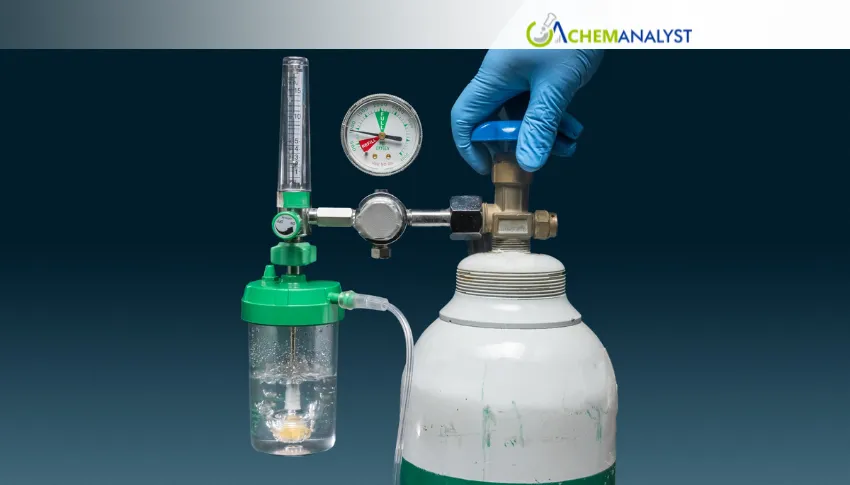
China’s oxygen FOB Shanghai prices increased 1.39% month-on-month in July 2026, reflecting firm industrial consumption and tighter merchant availability during the summer period. Early in the month, oxygen demand from steelmakers remained strong, while improving requirements from high-technology projects supported supplier confidence. Mid-month electricity-load management across several coastal provinces reduced operating hours at independent cryogenic plants, limiting spot oxygen availability and encouraging producers to raise FOB offers.
Steel remained the largest demand driver for oxygen, with oxygen consumption closely linked to blast-furnace operating rates and mill production schedules. Blast-furnace utilization at northern mills stayed relatively high as producers prepared for autumn infrastructure-related orders, supporting steady oxygen consumption through both captive and merchant channels. Construction-linked inventory preparation also encouraged regular purchasing. Meanwhile, medical oxygen demand moderated after the seasonal respiratory peak, but this decline was largely balanced by stronger industrial requirements. Demand for ultra-high-purity oxygen improved moderately as semiconductor and photovoltaic glass projects moved closer to commissioning. Electronics manufacturing and export-oriented industries also provided additional support, helping maintain a constructive demand environment.
Supply conditions remained comparatively tight because oxygen production is highly electricity intensive. Higher power-generation costs increased cash production expenses, while temporary load-control measures reduced operating windows at some independent cryogenic facilities. Rising exposure to broader energy markets, including crude oil and LNG, added further cost risk for producers. With no notable ASU outages, the market avoided a major supply disruption; however, the absence of meaningful new capacity meant that curtailed operating hours had a more visible effect on merchant availability. Distributor inventories remained broadly within seasonal norms, indicating a balanced market rather than either a significant surplus or an acute shortage. Export activity and regional logistics also influenced merchant oxygen availability, although no severe transport disruption materially changed the July balance.
The near-term outlook for oxygen is mixed but moderately supportive. As summer electricity restrictions ease, merchant plants are likely to restore operating hours and improve spot availability, which could limit further price increases. However, stronger autumn steel production, infrastructure activity and continued expansion of semiconductor and photovoltaic glass projects may sustain oxygen demand. Limited immediate ASU capacity additions could keep the supply cushion narrow. Seasonal restocking normalized medical consumption and potential year-end maintenance may create intermittent downward pressure, but sustained industrial consumption is expected to keep the market fundamentally supported. Overall, oxygen prices are likely to remain sensitive to electricity costs, plant utilization, steel output and high-technology investment trends.








 About ChemAnalyst
Leave a Comment
Comments (0)