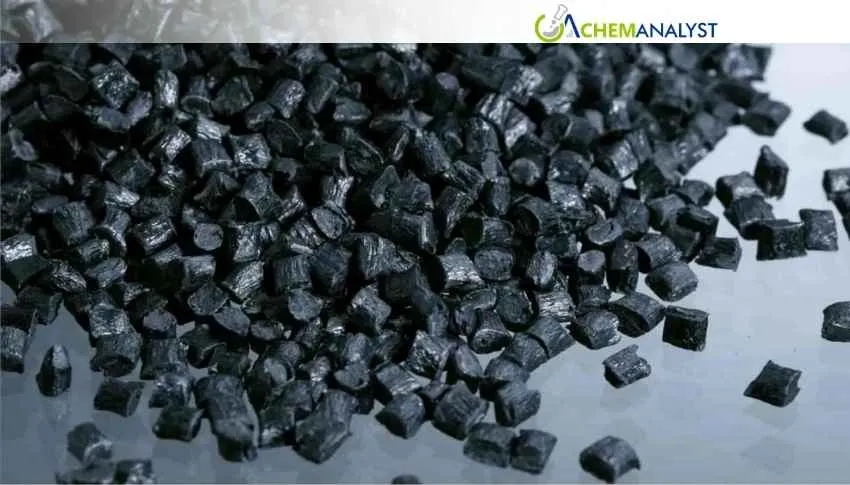
Polyphenylene Sulfide (PPS) GF40% FOB Shanghai moved 18.5% sharply higher through May 2026 as tighter Polyphenylene Sulfide availability and stronger export demand lifted spot offers significantly from April levels. Early in the month export orders for under-the-hood EV parts provided firm support, while steady Polyphenylene Sulfide shipments and stronger domestic purchasing tightened overall market availability beyond multi-week averages. Sellers steadily raised Polyphenylene Sulfide FOB offers throughout the period, and market participants described activity as increasingly firm amid improving buying momentum. The intra-month timeline showed uninterrupted Polyphenylene Sulfide plant runs across Shanghai and neighboring coastal clusters, yet the nearly 18.5% increase from April to May reflected stronger export pull and firmer market sentiment during May.
Demand patterns were mixed across Polyphenylene Sulfide end-use sectors but remained supportive overall. The automotive segment stayed strongly supportive as export resin compounders in South Korea and India maintained firm call-offs to supply wire-harness connectors and motor insulation, while export orders for under-the-hood EV parts absorbed incremental Polyphenylene Sulfide volumes. Domestically, battery-pack manufacturers booked stable Polyphenylene Sulfide quantities, keeping that channel healthy. In contrast, white-goods and appliance makers in China deferred some fresh purchases after building inventories during the first-quarter promotional cycle, while European orders for glass-fiber-reinforced Polyphenylene Sulfide sheets used in consumer electronics remained relatively soft amid weaker appliance output. Export-oriented inventory at coastal warehouses stayed near the 25-day historical norm, limiting pressure on dealers to discount Polyphenylene Sulfide offers despite the notable monthly price increase, according to ChemAnalyst data.
On the supply side, Polyphenylene Sulfide feedstock dynamics and stable production execution supported the firmer pricing environment. Domestic p-dichlorobenzene spot offers hovered close to March averages and refinery-derived molten sulfur ensured adequate sodium-sulfide availability through May, keeping Polyphenylene Sulfide cash costs broadly steady. Producers in Shanghai operated without interruption, with average daily Polyphenylene Sulfide output near March levels and domestic operating rates above 80 percent, per ChemAnalyst analysis. No major maintenance turnarounds or environmental shutdowns were reported, and Polyphenylene Sulfide nameplate utilization broadly matched contracted export volumes. However, stronger export demand and healthy buying from EV-related applications outweighed comfortable supply conditions, allowing FOB offers to rise sharply from April levels even as installed Polyphenylene Sulfide capacity in China remained above 200,000 tonnes per year.
Looking ahead, ChemAnalyst projects that Polyphenylene Sulfide prices may stabilize after the strong May increase, though market conditions remain sensitive to export demand trends and feedstock developments. While weaker export appetite from automotive and electrical components could introduce some downside pressure in coming months, ample availability from Chinese suppliers is expected to keep the market balanced overall. Meanwhile, geopolitical risks surrounding sulfur shipments through the Strait of Hormuz remain an important watch factor, as any prolonged disruption could raise sodium-sulfide costs and further strengthen Polyphenylene Sulfide cash-cost support. Overall, despite expectations for more moderate movements ahead, the nearly 18.5% increase from April to May highlights the current firmness in the Polyphenylene Sulfide market driven by export demand and resilient EV-sector consumption.








 About ChemAnalyst
Leave a Comment
Comments (0)