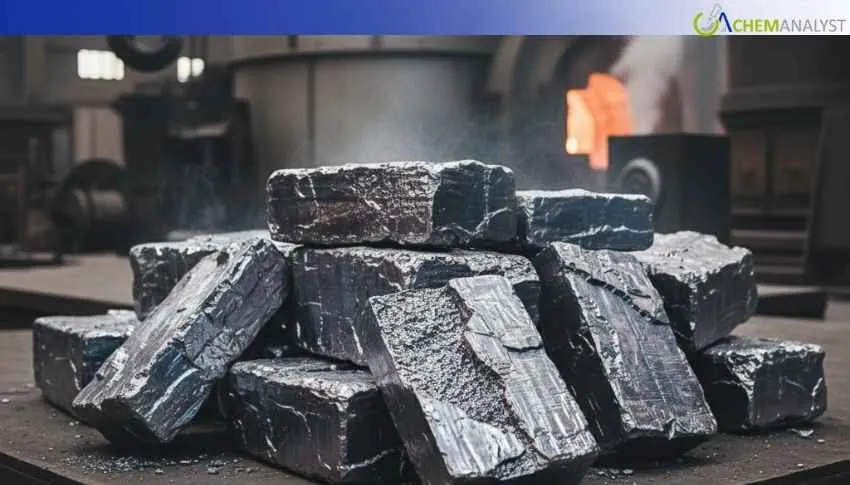
China’s silicon metal market continued to move downwards in mid-December, with silicon metal prices declining 5% due to weaker supply and demand. Sources reported that the market’s mood was subdued with reluctant trading activity and cautious looks to the pricing future. This slump is due to structural challenges throughout the supply chain, such as high inventory levels and procurement.
On the downstream side, sluggish transactions with quoted higher prices were seen in the polysilicon industry in China. Although the prices quoted were higher, the transactions were very sluggish, and contract signings and new orders had almost come to a standstill. The manufacturers of wafers, cells, and modules had increased their production cuts due to high inventory levels and slow project starts.
Polysilicon production is forecast to reach 114,000 mt in December, a slight decrease from the previous month, leading to a minimal change in the demand trend for silicon metal. Industry sources reported cutbacks in monomer production affecting silicone production in early December, so the total demand for silicon metal is expected to decrease by 5,000 mt this month. The aluminum silicon alloy smelting industry kept its stable production ratio, but the Chongqing secondary aluminum smelter kept a reduced production trend because of curbs on environment-related factors. The demand trend of aluminum alloy experienced a slight decrease.
Domestic silicon metal spot prices have continued to drift lower through December, with no significant positive signals emerging in the first ten days. Production has remained polarized, with southern regions seeing reduced output due to the dry season and northern regions recording slight increases. However, as production costs increase, some silicon metal producers have entered a stage of cost inversion, which has caused them to be reluctant to sell and unwilling to offer discounts. This has formed a kind of stalemate on the supply side in spite of the broader market weakness.
The operating capacity of silicon metal companies experienced little change, and their weekly production showed only a small fluctuation. As of December 11, the total social inventory of major areas stood at 561,000 mt, an increase of 3,000 mt from last week. Due to both accumulated inventory and weak trading sentiment, it remains a quiet market environment. In the short run, it is expected that silicon metal prices will move in a tight range while closely noticing any possible impact of changes in manufacturing capacity on the market.







Leave a Comment
Comments (0)