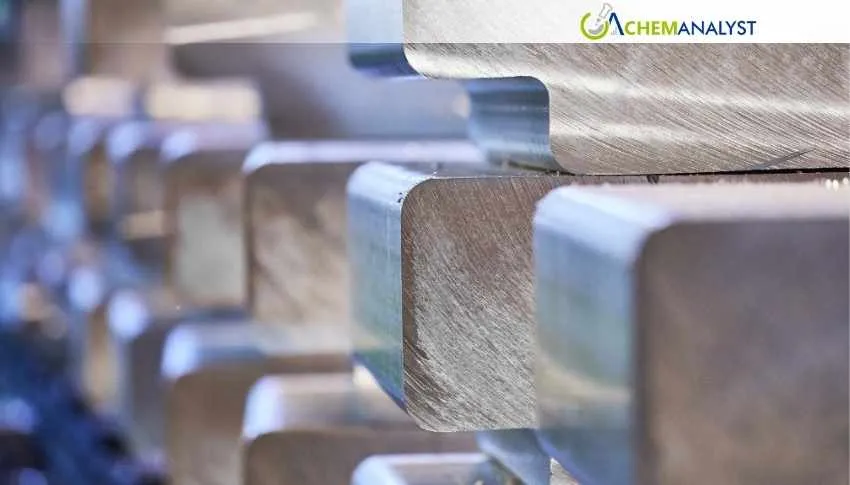
China's aluminium output has surged to unprecedented levels, testing the limits of both domestic capacity and global demand, according to a recent report. Daily output reached an all-time high of 129,000 tons last month, contributing to a 3.5% increase in production during the first four months of the year, totaling 15.33 million tons. This surge is primarily driven by record margins for Chinese smelters and a significant global shortage of the metal, exacerbated by ongoing conflict in the Persian Gulf region. The geopolitical instability has disrupted alumina deliveries to Middle Eastern smelters, reducing their operational capacity and tightening global supply.
Despite the robust production, the economic consequences are becoming apparent. Domestic inventories in China have more than doubled this year, reaching a six-year high of 1.37 million tons, as exports have not fully compensated for tepid domestic demand. Chinese demand growth is estimated at only around 1% for the year, with negative growth observed in the initial months. This has led to concerns about overproduction and potentially peaking profitability for smelters, as the costs associated with maximizing output rise.
From an industry-specific perspective, China's aluminium sector is nearing its government-imposed annual capacity ceiling of 45 million tons, a cap established in 2017 to address oversupply, curb carbon emissions, and manage the industry's high electricity consumption. While producers are pushing plants to their technological limits—operating approximately 3% above nameplate capacity—this tightens the domestic market. Consequently, Chinese firms are increasingly exploring overseas investment opportunities in aluminium projects, with Indonesia emerging as a key destination.
Geopolitically, the conflict in the Persian Gulf has structurally rerouted trade flows and intensified disruptions across the aluminium value chain. Producers in the Gulf Cooperation Council nations, who collectively account for about 9% of global primary aluminium output, have seen their supply significantly impacted, contributing to a widening price premium between international and Chinese domestic markets. This situation has also spurred accelerated stockpiling behavior among overseas buyers and contributed to China's April 2026 aluminium exports rising by 15.4% year-over-year to 598,000 metric tonnes, marking the strongest single-month export figure since December 2024.
Looking ahead, Citigroup anticipates further price rallies due to what it calls the biggest supply shock in 50 years. The global market is projected to face a deficit of around 2 million tons in 2026, potentially leading to "paper-thin" inventory levels and pronounced price volatility. Aluminium is also being positioned as a crucial material for the energy transition, with demand from renewables, transport, and electronics expected to push the market into a structural deficit by 2027. However, the industry faces challenges, including competition for power from AI data centers and the need for significant ex-China supply growth to meet future demand.







 About ChemAnalyst
Leave a Comment
Comments (0)