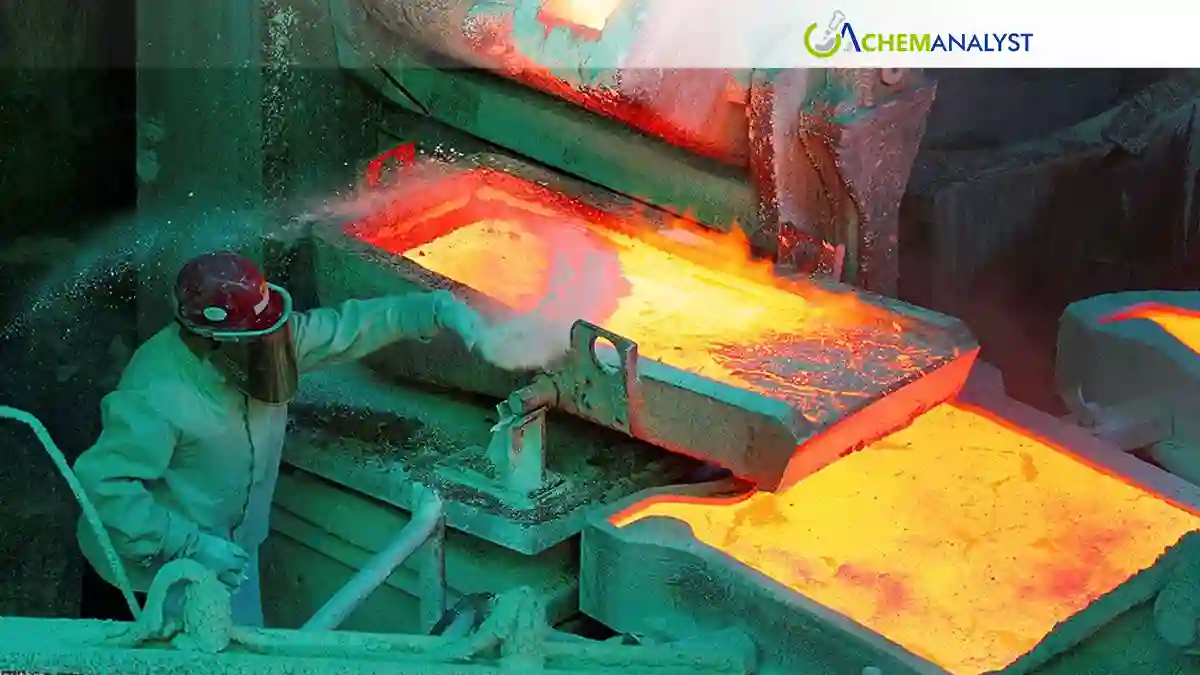
China's copper smelters are resisting a proposal by Chilean mining giant Antofagasta to link the pricing of raw material concentrate in long-term contracts to the volatile spot market. This move raises concerns among smelters that it will further strain their already weak financial positions. The proposal challenges the long-standing industry practice of fixed annual treatment and refining charges (TC/RCs), which are crucial to smelter revenues.
Traditionally, miners compensate smelters with fixed TC/RCs for processing copper concentrate into refined metal. These charges reflect the balance of supply and demand in the copper market. However, spot TC/RCs have dramatically fallen and remained in negative territory since late 2024. This decline stems from a significant imbalance: mine production constraints have caused a shortage of concentrate, while global smelting capacity, particularly in China, has rapidly expanded. As a result, many smelters are competing for limited concentrate, driving down processing fees. The annual benchmark TC/RC for 2026 is set at zero, but spot treatment charges recently hit around minus $126.80 per tonne.
Chinese smelters fear that linking term contracts to these deeply negative spot prices would severely impact their profitability and increase financial volatility. Under Antofagasta's proposal, smelters would effectively be paying to process concentrate, making their margins unpredictable. Unlike copper prices, TC/RCs are a separate pricing line not naturally covered by copper-price hedges, leaving smelters exposed to this new risk. Managers from several smelters expressed opposition, emphasizing their need for a stable pricing system and voicing concerns about potential manipulation of spot indexes by trading houses. Some smelters are already processing for free, relying on by-products like sulfuric acid for revenue.
Antofagasta's push for spot-indexed pricing aims to capture "better economics" from the current market conditions, where they might feel disadvantaged by the existing benchmark system. This proposal could fundamentally alter the industry's benchmark system, which has historically provided stability for planning and financing within the copper sector. The China Smelters Purchase Team (CSPT) had previously agreed to a 10% production cut in 2026 to stabilize processing fees, yet official data showed refined copper output continued to increase, suggesting limited practical impact. Despite the smelters' struggles, overall copper prices have surged to record highs, exceeding $14,500 per tonne in 2026, driven by mine disruptions and robust demand from electrification and artificial intelligence infrastructure. This could lead to a refined copper deficit exceeding 350,000 tonnes if production cuts are maintained.
Impact on Product and Chemical Commodities
Antofagasta's proposal to link long-term copper concentrate treatment and refining charges (TC/RCs) to volatile spot market rates is likely to intensify financial pressure on Chinese copper smelters. If adopted, the move could discourage smelting activity, tighten refined copper supply, and support elevated copper prices globally. Reduced profitability may also lead to production cuts, further widening the refined copper deficit. For chemical commodities tracked by ChemAnalyst, the most direct impact will be on Sulfuric Acid, a major by-product of copper smelting. Lower smelter operating rates would reduce sulfuric acid output, tightening regional supply and putting upward pressure on sulfuric acid prices, particularly in Asia. Higher sulfuric acid prices could subsequently increase production costs for downstream industries such as phosphoric acid, DAP, MAP, and other phosphate fertilizers. While copper concentrate itself may remain scarce, the proposal is expected to have limited direct influence on base petrochemicals but a notable bullish impact on sulfur-based chemical value chains due to constrained by-product availability.







Leave a Comment
Comments (0)