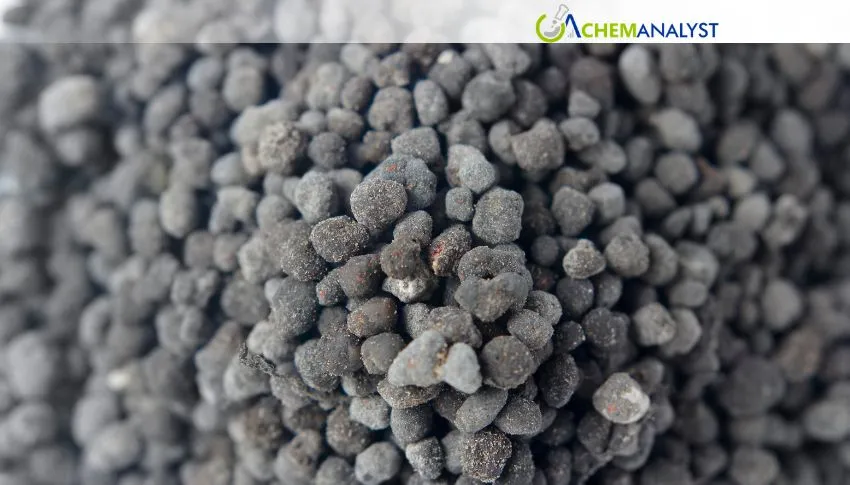
DAP prices were essentially stable in the late-June assessment as the DAP market moved through a predictable post-spring lull, even as June recorded a modest month-on-month increase of 0.65% per ChemAnalyst data. Early June saw balanced conditions with normal operating rates, but as the month progressed, buying activity softened and supply availability improved. Lower upstream input costs, most notably in ammonia, reduced cost support for producers, allowing offers to sit at more competitive levels. Meanwhile, distributors and growers largely adopted a wait-and-watch posture, purchasing only to meet immediate application needs, which kept spot sentiment muted heading into July.
Agricultural demand remained the dominant driver for DAP, with the fertilizer application cycle determining procurement patterns. The agriculture sector was steady in early June amid routine post-planting requirements but became softer by mid-month as the bulk of spring applications concluded. ChemAnalyst data indicate distributors and growers reduced inventories and shifted to buy-on-need behavior, pressuring prompt demand for fertilizer. In contrast to the early-month steadiness, mid- to late-month activity showed weaker uptake, with DAP purchasing focused on immediate crop requirements rather than forward cover, limiting upside for spot sellers.
On the supply side, easing upstream costs and comfortable logistics supported greater DAP availability. Falling ammonia costs and softer phosphate rock trends lowered production cost pressure, weakening the traditional cost floor for DAP and enabling producers and importers to offer material at lower levels. Domestic production remained reliable, and import arrivals helped keep inventories comfortable across key hubs. There were no material plant outages reported in the period, and normal operating rates combined with improved import availability reduced the risk of short-term supply tightness in the U.S. market, per ChemAnalyst analysis.
Weekly DAP market patterns through June reinforced the broader narrative: DAP prices were largely steady in early June, then dipped through mid-month as demand faded, and experienced a notable late-June decline of just over 3% before settling flat in the most recent weekly check. Per weekly assessment data, the late-June reading showed a stable week-on-week position, reflecting that it absorbed earlier downward movement and entered a range-bound phase with subdued transactional momentum.
Looking ahead, the near-term outlook for DAP indicates a mild softening given current market trends. Drivers include ample global tonnage and sufficient import arrivals, continued lower ammonia feedstock costs that curb upstream price support, and seasonally muted agricultural procurement as growers focus on immediate needs. Our analysts see downside pressure persisting into early July unless a faster-than-expected pickup in seasonal DAP demand or unexpected supply disruptions occur. This view is subject to market conditions and may change if demand reaccelerates or feedstock dynamics shift materially, per ChemAnalyst analysis.








 About ChemAnalyst
Leave a Comment
Comments (0)