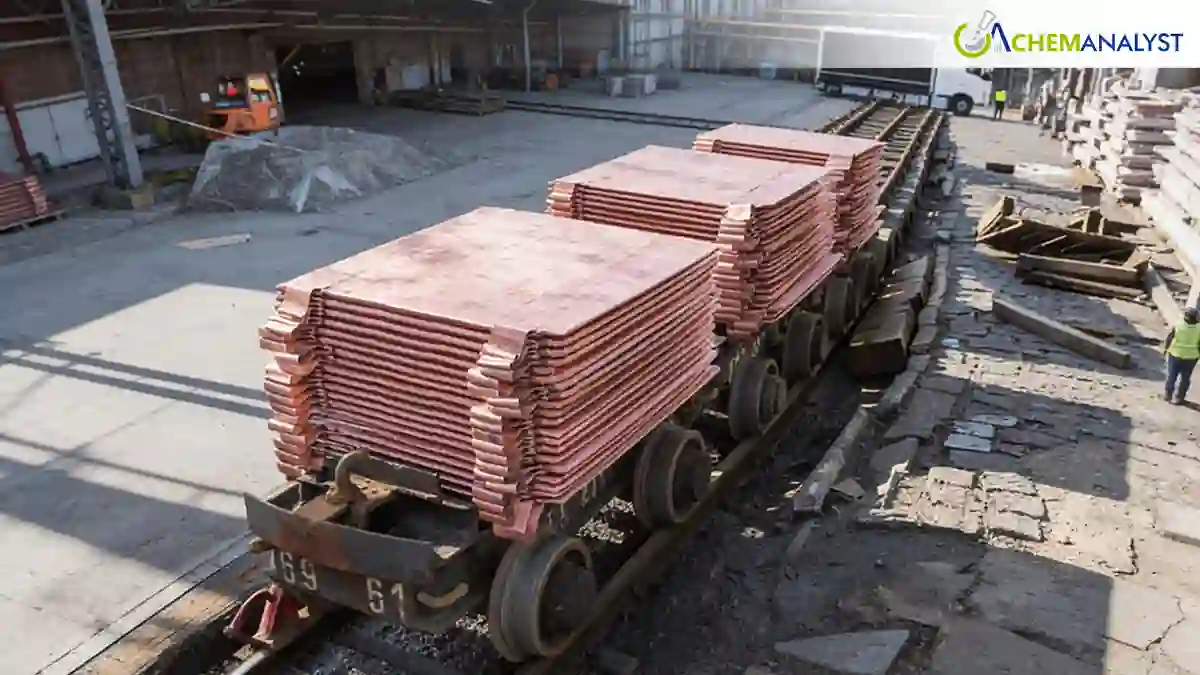
Copper prices have retreated from a recent record close, primarily driven by a significant slowdown in purchases from China, the world's largest consumer of the metal. The rally in copper prices began to deter buyers in China, leading to weakening demand for key copper products and a broader market downturn. This decline reflects an ongoing "price rejection" by Chinese industrial consumers who are unable to absorb the elevated costs, creating a disconnect between speculative market prices and physical demand.
A key event contributing to the current market sentiment is the muted demand from China, where economic growth has been notably slow. Chinese fabricators, such as Zhejiang Hailiang Co., reported a weakening in orders for copper rod—used in electric wires—in May compared to April and the previous year. Similarly, orders for copper tube, essential for air conditioners, refrigerators, and plumbing, are projected to drop by approximately 20% month-on-month in May, largely due to rising prices. This reluctance to purchase at higher price points has led to a collapse in physical transactions and an unprecedented build-up of inventory within China.
The broader market has also seen copper heading for its most significant weekly loss since 2022, with other industrial metals like aluminum, tin, and nickel experiencing a similar retreat. This comprehensive downturn is partly attributed to a shift away from risk assets and a strengthening US dollar. Copper futures had surged past 13,000 per tonne in early 2026, briefly touching an intraday high of 14,527 in late January, fueled by optimistic demand projections and supply disruptions.
Globally, copper inventories have ballooned in recent months, more than doubling since mid-May and reaching their highest levels since September 2021, with a substantial portion of this build-up occurring in Asian warehouses. This oversupply, coupled with resolutely low premiums for physical copper cathodes imported into China, further underscores the weak demand. The lack of major policy shifts from China's Third Plenum, a key Communist Party conclave, to stimulate demand or address the long-running property slump has also disappointed investors.
Economically, the impact is evident in the performance of mining companies, with shares of major players like BHP Group Ltd. falling to their lowest since late 2022. Chinese smelters are also facing significant pressure, with processing margins wiped out, leading to mandated production cuts of 10% for the year and the export of surplus metal back into the global exchange system. This indicates that the current price levels may be unsustainable for the real economy.
Geopolitically, investors are closely monitoring the summit between Chinese leader Xi Jinping and US President Donald Trump, marking the first visit by a sitting US president to Beijing in nearly a decade. Discussions during this two-day event are expected to cover critical topics such as trade, Iran, and Taiwan, which could have implications for global economic stability and commodity markets. Additionally, a crackdown by the Chinese tax authority on traders is also being watched by market participants.







Leave a Comment
Comments (0)