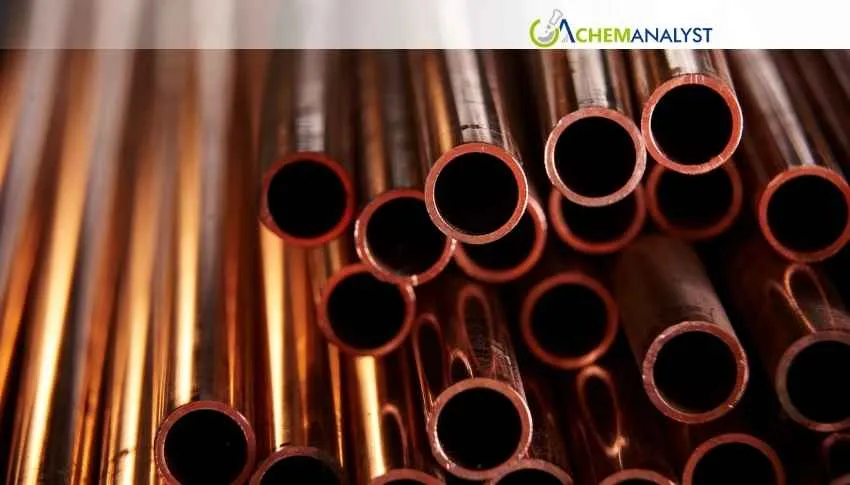
Copper prices retreated after posting strong gains earlier in the week, as investors reassessed the impact of escalating geopolitical tensions, inflation concerns, and changing market fundamentals. Three-month copper futures, which had climbed around 3% during the first two trading sessions of the week, slipped below the $14,000-per-tonne mark as uncertainty returned to commodity markets.
The decline in copper prices was largely driven by heightened conflict in the Middle East, which has continued to influence global financial and commodity markets throughout the year. Recent military actions, including reported US strikes on Qeshm Island and retaliatory attacks by Iranian forces on targets in Kuwait, have intensified fears of a broader regional conflict. These developments have increased market volatility and raised concerns about the potential economic consequences of prolonged instability.
One of the primary reasons copper has come under pressure is the growing expectation that central banks may need to maintain higher interest rates or introduce additional rate hikes to combat inflationary pressures linked to the conflict. Rising energy costs and supply chain disruptions caused by geopolitical tensions can fuel inflation, prompting policymakers to tighten monetary policy. Higher borrowing costs generally weigh on industrial activity and construction demand, both of which are major drivers of copper consumption. As a result, investors have become cautious about the outlook for copper demand, leading to profit-taking after the metal’s recent rally.
In addition to geopolitical concerns, rising copper inventories in the United States have also contributed to the market's weaker sentiment. Higher stock levels suggest that immediate supply availability remains sufficient, easing fears of shortages and reducing support for prices. This combination of growing inventories and concerns about slowing demand has created downward pressure on copper futures despite the broader uncertainty surrounding global supply chains.
While copper struggled to maintain its upward momentum, aluminium continued to outperform. Aluminium prices remained close to a four-year high, supported by concerns over supply disruptions in key producing regions. The metal received a boost following attacks affecting aluminium production facilities in the Persian Gulf, a strategically important area for global aluminium output. Any threat to production or transportation infrastructure in the region raises concerns about supply shortages, supporting higher prices.
The contrasting performance of copper and aluminium highlights how different commodities are responding to the same geopolitical environment. While copper faces demand-related concerns tied to economic growth and interest rates, aluminium is benefiting from supply-side risks that have tightened market conditions. As tensions in the Middle East persist, commodity markets are expected to remain highly sensitive to geopolitical developments and their potential impact on global trade and industrial activity.








 About ChemAnalyst
Leave a Comment
Comments (0)