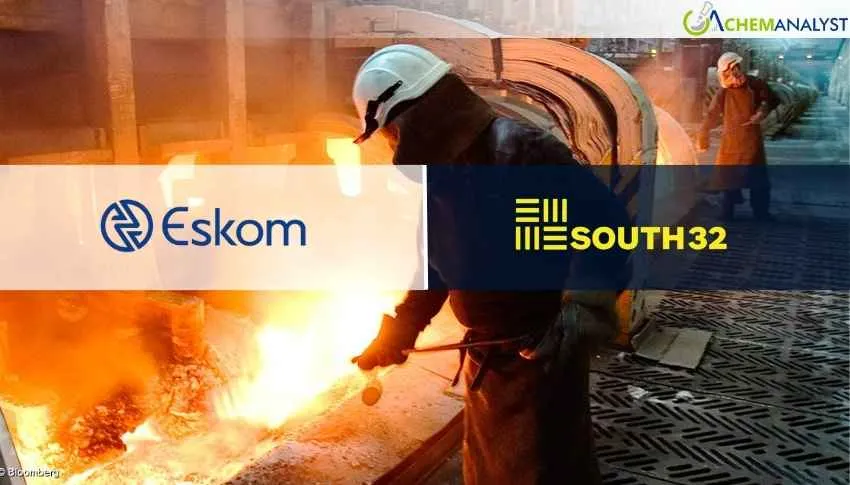
South32 and South African state-owned power utility Eskom are engaged in critical discussions to establish a new, long-term electricity solution for the Hillside aluminium smelter in Richards Bay. These talks are proactively taking place five years before the current power supply agreement expires in 2031, with a shared ambition to secure the smelter's future for decades to come.
The primary motivation for these early negotiations stems from the recent closure of South32's Mozal aluminium smelter in Mozambique in March, which ceased operations after failing to secure sufficient and affordable long-term power, despite six years of negotiations. This event underscored the severe economic consequences of power supply issues for energy-intensive industries. Hillside is considered too significant to face a similar fate, as it directly employs approximately 3,650 workers and supports an estimated 29,000 jobs across the broader South African economy.
Hillside is South Africa's sole aluminium smelter and the largest in the Southern Hemisphere, producing around 720,000 tonnes of aluminium annually. It is also Eskom's single largest customer, consuming roughly 5% of the utility's total annual electricity sales, or about 10.3 terawatt-hours (TWh) per year. Historically, Hillside has operated with a discounted electricity tariff, a practice that has faced scrutiny but is justified by Eskom and the National Energy Regulator of South Africa (Nersa) due to the smelter's substantial economic benefits and the impracticality of operating it at standard rates.
The discussions are focused on developing a viable, low-carbon energy solution for Hillside from 2031 onwards. This aligns with South Africa's broader decarbonisation objectives and South32's own targets to reduce operational greenhouse gas (GHG) emissions, as the smelter's current reliance on coal-fired electricity makes it a significant carbon emitter. Both organisations have established a joint working group to explore mechanisms for integrating competitively priced renewable energy into the national grid, backed by affordable firming capacity.
The potential consequences of these talks are far-reaching. Economically, securing Hillside's future protects thousands of jobs and prevents further deindustrialisation in South Africa. Industry-specific impacts include a shift towards greener aluminium production, crucial for maintaining global competitiveness as the world transitions to a low-carbon economy. From Eskom's perspective, the collaboration could not only secure a major customer but also strengthen the resilience and sustainability of the national electricity system by integrating renewable energy solutions that may benefit a broader customer base. Eskom has shown increased flexibility in tariff structures, partly due to changing supply-demand dynamics and a reported surplus capacity in some months. This proactive engagement aims to ensure industrial competitiveness while advancing South Africa's transition to a lower-carbon electricity system.







Leave a Comment
Comments (0)