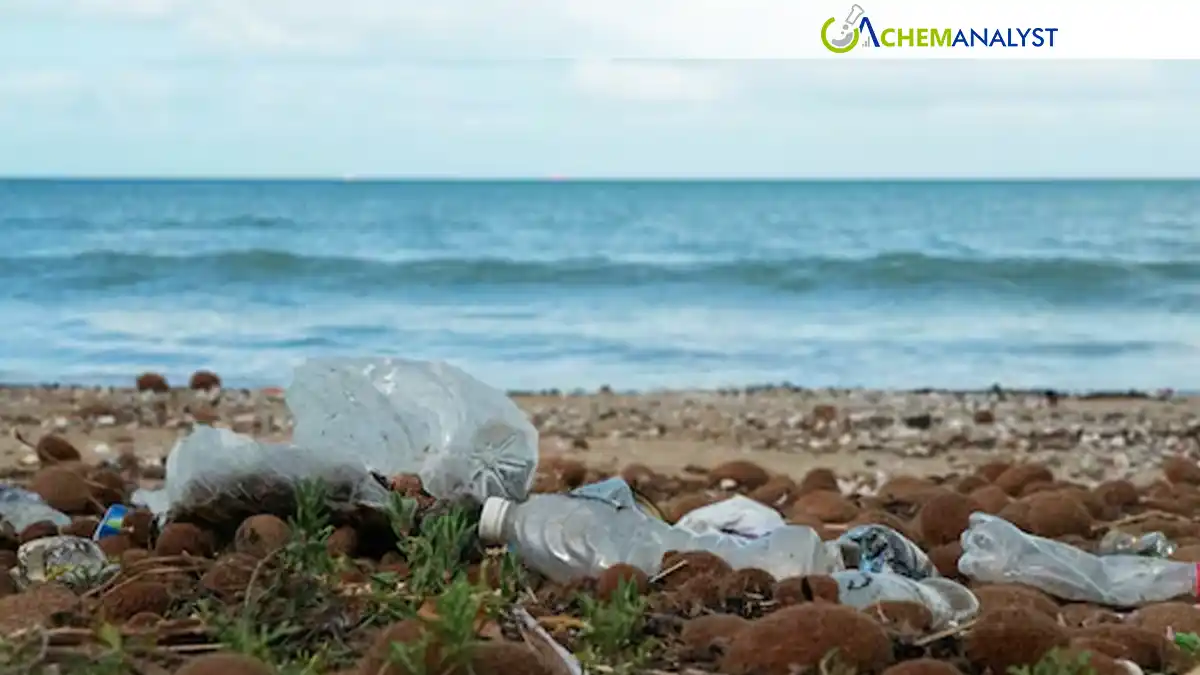
New European Union packaging regulations will take effect Wednesday, introducing stricter controls on packaging waste, PFAS chemicals, plastics, and single-use formats. The rules represent a major overhaul of packaging legislation that has remained largely unchanged since the 1990s.
The European Commission introduced the measures in response to a sharp rise in packaging waste across the bloc. Packaging waste has increased by more than 20% over the past decade, driven partly by the growth of online shopping and the popularity of takeaway and “grab-and-go” consumption.
Packaging represents about 40% of Europe’s plastic consumption, highlighting the region’s dependence on fossil-based raw materials. EU officials have warned that this reliance could expose European industries to supply disruptions during major oil-market shocks.
Europeans generate approximately 180 kg of packaging waste per person each year. Eurostat data show that fossil-fuel-derived plastics accounted for 35.3 kg per person in 2023, while only around 42% of packaging waste was recycled.
One of the first measures under the new rules establishes maximum limits for per- and polyfluoroalkyl substances (PFAS), commonly known as “forever chemicals.” These substances have been widely used in food-contact packaging, including takeaway containers, bakery papers, and pizza boxes, because they provide resistance against water and grease.
However, PFAS are persistent chemicals that do not naturally break down easily. Their presence can contribute to contamination of soil, water, air, and food, raising environmental and health concerns. Manufacturers will also be required to provide information that allows authorities to trace packaging to its source if safety or environmental concerns emerge.
The most significant waste-reduction requirements will take effect later. By 2030, the EU aims to reduce packaging waste by 5% compared with 2018 levels, with the target increasing to 15% by 2040. A standardized EU-wide labeling system for waste sorting is expected in 2028 to help consumers dispose of packaging more efficiently.
The legislation also requires packaging to be recyclable in an economically viable manner and introduces targets for reusable packaging. It restricts certain single-use packaging formats, limits excessive empty space, and establishes mandatory deposit-return systems for cans and plastic bottles.
The EU is also tightening controls on plastic waste exports. A separate regulation that took effect in May seeks to ensure exported plastic waste is managed sustainably, addressing concerns that waste sent to third countries has sometimes been improperly handled or dumped.
Authorities are expected to initially focus on compliance and corrective action rather than immediate penalties. The European Commission will also consult on harmonized consumer labels later this year.
Product Impact and Chemical Commodity Price Impact
The regulations are likely to accelerate demand for recyclable, reusable, paper-based, bio-based, and PFAS-free packaging materials while reducing long-term demand for certain conventional plastic packaging grades. Producers of polyethylene, polypropylene, and other packaging polymers may face margin pressure as converters shift toward compliant alternatives. However, tighter supply of recycled polymers and specialty PFAS-free coatings could support prices for these materials. In the near term, European demand for virgin packaging plastics may soften, placing modest downward pressure on commodity polymer prices. Longer term, investment in recycling infrastructure and sustainable materials could strengthen demand for recycled polymers and bio-based chemicals, potentially increasing their price premiums.







Leave a Comment
Comments (0)