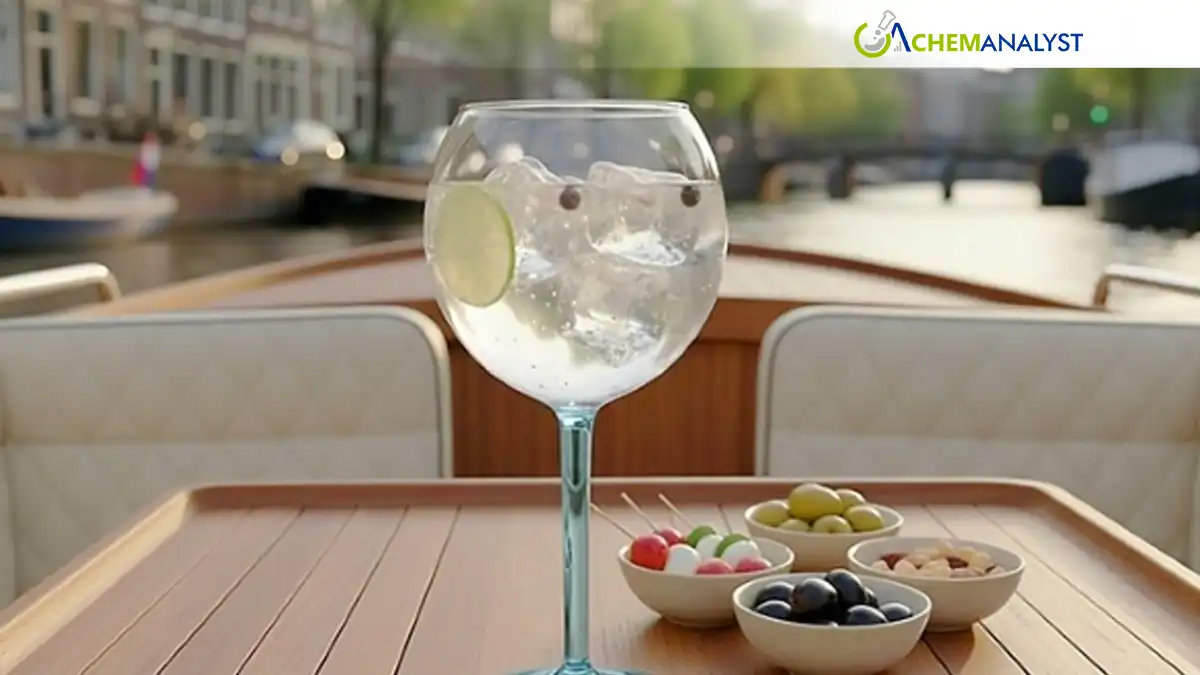
The European Union’s increasing restrictions on bisphenol A (BPA) in food-contact materials are driving significant changes across the reusable drinkware market, creating new opportunities for manufacturers offering BPA-free solutions. In response to the evolving regulatory landscape, HappyGlass is expanding its presence in Europe with reusable drinkware products manufactured using Tritan copolyester from Eastman. The company aims to strengthen its role in the transition away from traditional BPA-containing plastics and disposable beverage containers.
HappyGlass, a rapidly growing European supplier of premium reusable drinkware, serves customers across the hospitality, healthcare and retail industries. The company has positioned itself as an important participant in Europe’s shift toward safer, reusable and regulation-compliant alternatives to conventional polycarbonate cups, glass products and single-use plastics. The tightening European regulations expected to accelerate in 2026 are increasing demand for durable BPA-free materials, especially in commercial food-service environments where product safety and long-term performance are essential.
According to Simon Niekolaas, product development and production engineer at HappyGlass, the partnership with Eastman provides the company with confidence to continue innovating while helping customers adapt to stricter regulatory requirements. He explained that Tritan delivers the combination of durability, functionality and appearance needed to meet the changing demands of Europe’s hospitality and retail markets. The collaboration also supports HappyGlass in expanding its product portfolio while ensuring compliance with evolving food-contact material standards.
HappyGlass has incorporated Tritan into its manufacturing operations for several years, using the material to produce high-clarity and impact-resistant reusable drinkware designed for intensive commercial use. The material’s BPA-free composition, combined with its durability and attractive appearance, has made it a core element of the company’s growth strategy. As many businesses and venues seek alternatives to BPA-containing polycarbonate products, Tritan has become an increasingly valuable material for producing safe and reusable drinkware solutions.
The copolyester material is also supporting broader product innovation efforts at HappyGlass. The company stated that Tritan offers the processing reliability and design flexibility necessary to develop new products for hospitality, healthcare, events and retail applications. Its consistent manufacturing performance allows the company to experiment with different designs and functional features while maintaining efficiency in large-scale production environments. This flexibility is helping HappyGlass respond more effectively to changing customer requirements and market trends.
Over the years, the company has steadily expanded its customer base, supplying reusable drinkware to hotels, restaurants, catering businesses, major retail chains and international consumer brands. Through its in-house blow-molding production capabilities, HappyGlass is increasing manufacturing capacity for BPA-free drinkware while maintaining consistent quality, transparency and durability across its products. The company’s production strategy is designed to meet rising demand from sectors requiring reusable products capable of withstanding heavy daily usage.
Sustainability remains central to the company’s long-term business strategy. HappyGlass is focused on promoting reusable solutions that help reduce waste generation and encourage more sustainable consumption practices within the hospitality and events industries. By prioritizing long-lasting products instead of disposable alternatives, the company aims to support broader environmental goals and changing consumer preferences across Europe.
The expected regulatory changes in 2026 are likely to accelerate adoption of BPA-free alternatives throughout the region, particularly in food-service applications where compliance, hygiene and product reliability are critical considerations. Industry participants are increasingly searching for materials that satisfy both regulatory standards and operational demands.
San Sutanto, marketing director for Tritan at Eastman, said the company values its partnership with HappyGlass and praised the manufacturer’s commitment to producing durable reusable drinkware intended for long-term use. He added that HappyGlass continues to develop products that align with evolving customer expectations while supporting the transition toward safer and more sustainable beverage containers.








 About ChemAnalyst
Leave a Comment
Comments (0)