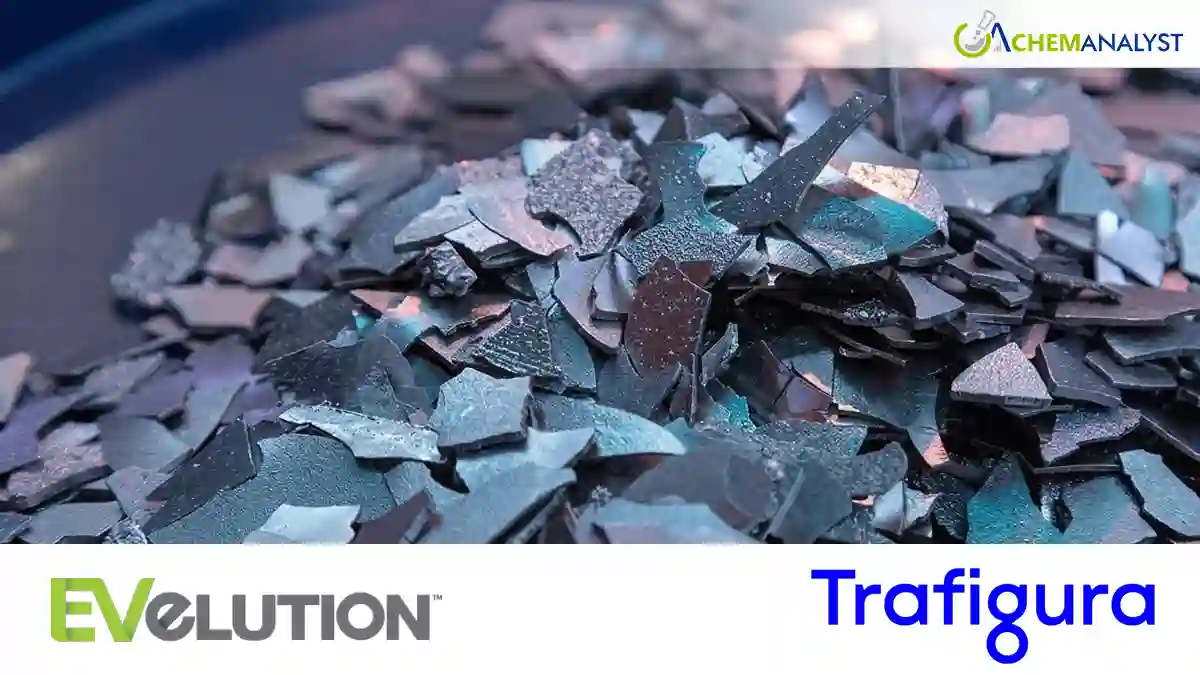
A significant agreement has been struck between US firm EVelution Energy LLC, the Congolese state-owned Entreprise Generale du Cobalt (EGC), and commodity trading giant Trafigura Group, establishing a framework for the long-term supply of Congolese cobalt hydroxide to the United States. This tripartite Memorandum of Understanding (MOU), signed in Madrid, marks a pivotal step in securing critical mineral supply chains for the US and is a direct outcome of a strategic critical minerals agreement between the US and the Democratic Republic of Congo (DRC) in December 2025.
The core of the deal revolves around EVelution Energy's ambitious plan to complete the first large-scale cobalt processing facility in Arizona by 2029. This refinery is projected to produce both cobalt metal and battery-grade sulfate products, with the aspiration of meeting approximately 40% of the US's projected demand for refined cobalt. EGC, which holds a monopoly over the buying and selling of artisanal cobalt production in the DRC, is expected to originate the cobalt hydroxide. Trafigura will provide crucial supply chain, logistics, and marketing services to facilitate the flow of this essential mineral. The partners also intend to collaboratively develop a robust responsible sourcing and traceability framework for artisanal mining sites in the DRC, aligning with EGC standards, OECD Due Diligence Guidance, and applicable US regulatory standards.
The primary cause driving this agreement is the concerted effort by the US to reduce its heavy reliance on China for critical mineral products, particularly cobalt, which is vital for electric vehicle (EV) batteries, defense systems, and aerospace industries. The DRC is the world's dominant supplier of cobalt, accounting for about three-quarters of global output, making it a central player in global supply chain diversification strategies. The US's current import dependency for cobalt exceeds 99.7%, highlighting the strategic imperative to establish secure domestic processing capacity and diversified supply sources.
The economic impacts of this agreement are substantial. It supports US reindustrialization and domestic manufacturing by providing a reliable, long-term supply of responsibly sourced cobalt for domestic processing. The project de-risks cross-border flows and strengthens the bankable supply of cobalt feedstock into the United States. Furthermore, the parties anticipate leveraging the Lobito Atlantic Railway, a US-backed rail line connecting Angola's deepwater Port of Lobito to the DRC, which has received significant financing and will reduce transit times for minerals. The agreement also opens avenues for exploring local cobalt refining capacity within the DRC and potential minority equity participation for EGC in EVelution Energy.
Geopolitically, this deal represents a significant stride in US-DRC critical minerals cooperation and a strategic move by the US to counter China's extensive influence in the global cobalt supply chain, particularly its dominance in refining. It reinforces the US government's efforts to build durable supply chains and maintain competitiveness in key industrial sectors. For the DRC, the partnership offers a pathway to formalize artisanal mining, improve traceability, and enhance social responsibility within the sector.
From an industry-specific perspective, the agreement is crucial for the electric vehicle battery industry, ensuring a more stable and ethically sourced supply of cobalt. It also bolsters the defense and aerospace industries by securing access to this essential mineral. This move signals a broader trend towards diversifying and localizing critical mineral processing to enhance national security and economic resilience.







Leave a Comment
Comments (0)