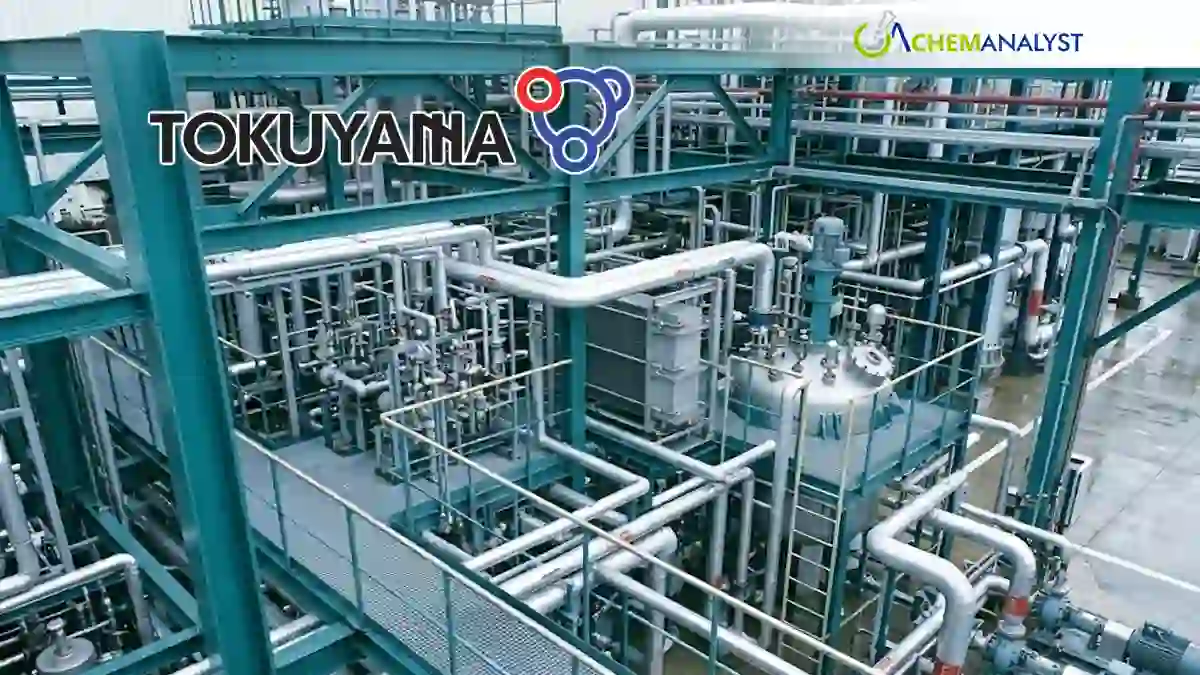
Tokuyama Corporation has revealed plans to strengthen its position in the semiconductor chemicals sector by building a second production facility for high-purity isopropyl alcohol (IPA) used in electronic manufacturing applications. The new plant will be developed at Formosa Tokuyama Advanced Chemicals Co., Ltd. (FTAC) in Kaohsiung City, Taiwan. FTAC is a joint venture equally owned by Tokuyama Corporation and Formosa Plastics Corporation, with each company holding a 50% stake. The expansion reflects growing global demand for ultra-high-purity chemicals essential to advanced semiconductor manufacturing.
According to the announcement, the upcoming facility will have an annual production capacity of 30,000 metric tons of high-purity IPA. Commercial operations at the new plant are scheduled to begin in September 2028. The investment is aimed at enhancing FTAC’s manufacturing capabilities and ensuring a more stable and reliable supply of high-quality IPA to semiconductor manufacturers across Asia and other key global markets.
High-purity IPA is a critical chemical used extensively in semiconductor fabrication processes, particularly for cleaning silicon wafers and removing microscopic contaminants during chip production. As semiconductor devices continue to become smaller, more complex, and multilayered, manufacturers require chemicals with exceptionally high purity standards to maintain product performance and manufacturing precision. This trend has significantly increased the importance of reliable supplies of electronic-grade chemicals such as high-purity IPA.
Tokuyama and Formosa Plastics established FTAC in October 2020 with the objective of producing and marketing high-purity IPA in Taiwan. Since its formation, the joint venture has focused on supporting the rapidly expanding semiconductor industry, especially as Taiwan remains one of the world’s leading semiconductor manufacturing hubs. By setting up operations close to major chipmakers, the partners aim to improve supply chain efficiency and reduce logistical risks associated with transporting specialty chemicals across regions.
The decision to construct a second plant comes amid rising expectations for continued semiconductor industry growth driven by technologies such as artificial intelligence, electric vehicles, advanced computing, 5G infrastructure, and next-generation consumer electronics. These industries require increasingly sophisticated chips, which in turn demand higher volumes of premium-grade processing chemicals. Tokuyama and Formosa Plastics believe that expanding FTAC’s production footprint will allow them to better respond to these evolving market needs while strengthening long-term customer relationships.
The new investment also highlights the broader industry trend of increasing localization and supply chain resilience in semiconductor-related materials. Chemical producers are actively expanding production capacities near major semiconductor clusters to ensure uninterrupted access to essential materials. Taiwan’s central role in the global chip supply chain makes it a strategic location for additional production infrastructure.
With the planned facility, FTAC is expected to further reinforce its presence in the high-purity IPA market and contribute to the stable supply of critical semiconductor chemicals. The collaboration between Tokuyama and Formosa Plastics demonstrates both companies’ commitment to supporting the future growth of advanced electronics manufacturing and maintaining high standards of product quality and operational reliability.








 About ChemAnalyst
Leave a Comment
Comments (0)