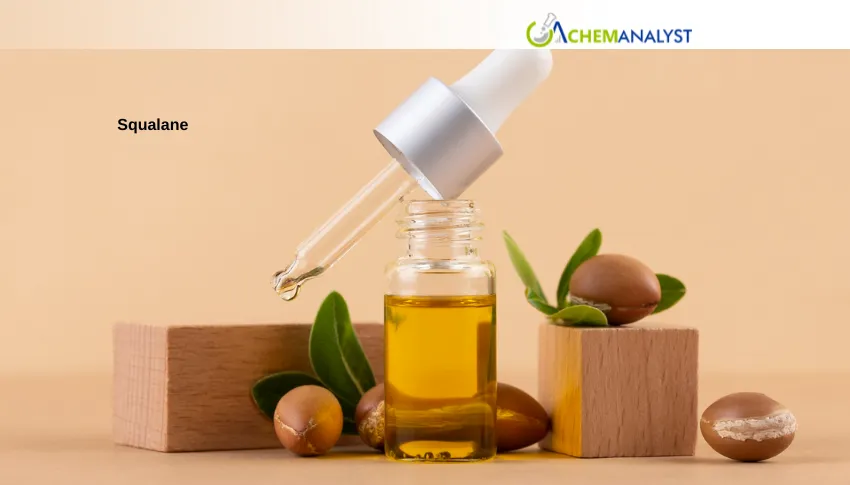
France's squalane market remained under pressure through July 2026 as comfortable inventories, stable domestic production, and subdued export enquiries continued weighing on pricing. Following the mild correction recorded during June, squalane suppliers faced persistent competition from lower-priced biosynthetic alternatives originating in Asia, while overseas buyers continued limiting purchases to immediate requirements. Despite resilient domestic cosmetics consumption, the balance between supply and demand remained favorable for buyers, resulting in another month of cautious negotiations across the squalane value chain.
Demand for squalane remained strongest within France's premium cosmetics and personal care industry. Luxury skincare, dermocosmetics, anti-aging formulations, and sun-care applications continued consuming squalane at stable contractual volumes as brands prioritized naturally derived ingredients that support clean-label positioning. However, export demand weakened further as buyers in the United States, South Korea, and Japan increasingly sourced competitively priced biosynthetic alternatives from Asian producers. European luxury brands largely maintained long-term agreements, but discretionary spot enquiries for squalane remained subdued, encouraging distributors to maintain conservative inventory positions. The broader European cosmetics sector continued providing structural demand support, although procurement remained disciplined rather than aggressive.
Supply conditions continued favoring buyers throughout July. Improved Mediterranean olive harvests increased the availability of olive oil deodorizer distillate (OODD), the principal feedstock for squalane, easing upstream cost pressures for French producers. Hydrogenation facilities operated normally without significant maintenance shutdowns, while Le Havre port logistics remained efficient, ensuring uninterrupted deliveries. Higher vegetable-based bio-squalane output from Spain, Portugal, and additional Asian suppliers further intensified competition, preventing French squalane producers from passing through elevated hydrogen and energy costs despite relatively stable operating margins.
Market activity during July reflected a continuation of the cautious trading pattern established in June rather than a sharp deterioration. Buyers continued purchasing squalane only for confirmed production schedules, preferring short-term replenishment over forward inventory accumulation. The abundance of Mediterranean feedstock and steady import availability maintained comfortable inventories across distribution channels, leaving suppliers with limited pricing flexibility. Although demand fundamentals for squalane remained healthy within premium skincare applications, subdued export interest prevented any meaningful recovery in spot negotiations.
Looking ahead, the squalane market is expected to remain mildly bearish through the remainder of the summer. ChemAnalyst expects comfortable inventories, continued availability of Mediterranean feedstock, and sustained competition from Asian biosynthetic material to keep squalane prices under modest pressure during August. Nevertheless, seasonal restocking by European luxury skincare manufacturers ahead of autumn product launches, together with stable cosmetics demand, should gradually improve market sentiment during the third quarter. Any stronger recovery will ultimately depend on renewed export buying, changes in hydrogenation costs, and broader logistics developments, while current expectations remain subject to prevailing market conditions.







Leave a Comment
Comments (0)