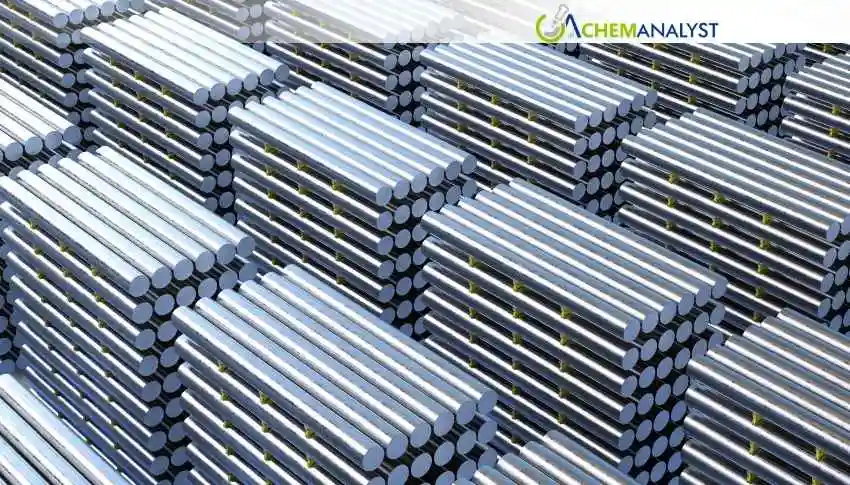
The global aluminium market is experiencing one of its most severe disruptions in decades, primarily due to the ongoing Iran conflict and its ripple effects across the Gulf region. This crisis has triggered a significant shock to supply chains, with profound economic, geopolitical, and industry-specific consequences.
The core event driving this disruption is the Iran war, which has led to missile strikes on critical aluminium smelters in the Gulf. Emirates Global Aluminium's Al Taweelah facility, a major producer, is expected to require nearly a year for repairs, while Qatar-based Qatalum has reportedly reduced its production capacity. Additionally, Aluminium Bahrain (Alba) has idled 19% of its capacity. A crucial contributing factor is the severe logistical bottleneck caused by the continued disruption around the Strait of Hormuz, a vital shipping corridor. This strait is essential for importing raw materials like alumina and exporting finished aluminium products. Gulf smelters are highly dependent on alumina imports, with approximately 60% of regional alumina transit typically passing through the Strait of Hormuz. This reliance creates a concentrated chokepoint vulnerability.
The consequences are far-reaching. Economically, the market is flashing warning signs. While benchmark aluminium prices on the London Metal Exchange (LME) have risen moderately, deeper indicators reveal a more serious crisis. LME inventories have plummeted to critical levels, and the market has shifted into strong backwardation, indicating an acute physical tightness and immediate supply stress. European premiums have surged by 16%, and war risk insurance escalations are driving up shipping costs. Goldman Sachs has raised its second-quarter LME aluminium price forecast and lowered its demand outlook, anticipating a significant deficit in Q2 as inventories fall to historical lows. This crisis could lead to record aluminium prices across various manufacturing sectors.
From a geopolitical perspective, the crisis highlights a fundamental shift in how commodity markets price geopolitical risk. It demonstrates how concentrated production geographies create systemic vulnerabilities in globally integrated supply chains. The Gulf Cooperation Council (GCC) countries account for approximately 8-9% of global primary aluminium production and over a fifth of non-Chinese output, making any disruption disproportionately impactful on global supply. This situation will likely accelerate a long-term prioritization of energy security, particularly in regions dependent on Middle Eastern resources.
Industrially, the impact is severe. Primary aluminium production in the Gulf dropped by 35% year-on-year in April, reaching its weakest level in over a decade. Smelters are struggling to replenish raw material inventories due to the Strait of Hormuz disruptions, leading producers to seek alternative land transport routes. This disruption has also weighed on global aluminium output, which fell 2.1% year-on-year in April. Interestingly, China, which has continued to expand its output, is benefiting from the displaced alumina and is seeing its share of global production increase, enjoying strong margins as Western production curtails.







 About ChemAnalyst
Leave a Comment
Comments (0)