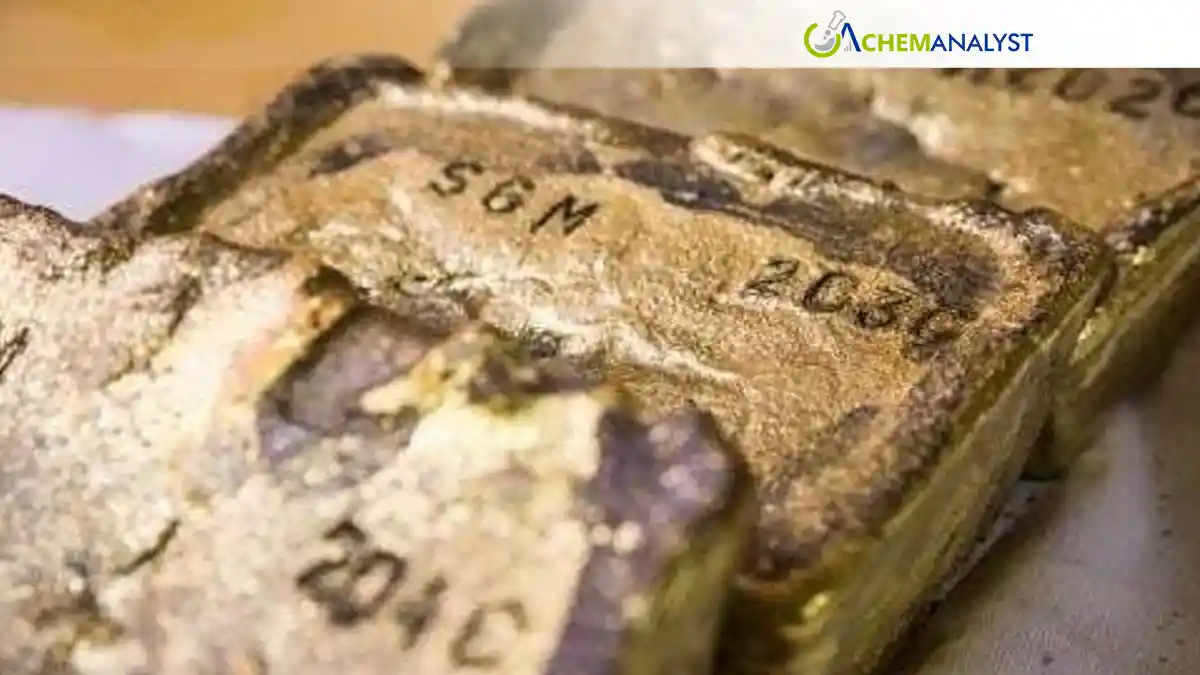
Guinea's government has initiated discussions with mining companies to advance domestic gold refining, signaling a strategic shift towards maximizing the value of its natural resources within the country. This move aims to transition Guinea from primarily exporting raw gold ore to processing it locally. The government's objective is to retain more of the wealth generated from its significant gold reserves.
The primary motivation behind this initiative is economic development. Domestic gold refining promises to create numerous jobs across various skill levels, from refining operations to ancillary services. It also stands to boost government revenues through increased taxes and duties on higher-value processed gold. Furthermore, local refining can help diversify Guinea's economy, reducing its reliance on raw material exports and fostering a more robust industrial sector. By processing gold domestically, Guinea also seeks to enhance traceability and combat the illicit gold trade, ensuring that the benefits of its resources are properly accounted for and managed.
This policy will significantly impact mining companies operating in Guinea. They will need to adapt their operations, potentially by investing in local refining infrastructure or forming partnerships with existing or new domestic refiners. Such investments could represent substantial capital outlays and require a stable, predictable regulatory environment to ensure long-term viability. The shift to local processing could alter global gold supply chains, as more gold is refined at its source rather than being shipped as raw material to traditional refining hubs.
Guinea's push for domestic refining is part of a growing trend across resource-rich African nations. Countries like Mali and Ghana have also implemented or are exploring similar policies to add value to their mineral resources before export. This regional movement reflects a broader desire for greater economic sovereignty and a more equitable share of the profits from natural resources. While these initiatives offer significant economic upsides, they also present challenges, including the need for substantial investment in infrastructure, technology transfer, and skilled labor development. Successfully navigating these complexities will be crucial for Guinea and other African nations aiming to transform their resource sectors.
Impact on chemical commodities tracked by ChemAnalyst
This shift will directly boost demand for refining-related chemicals such as cyanide, hydrochloric acid, sulfuric acid, nitric acid, and activated carbon, all critical inputs in gold extraction and purification processes. As Guinea builds domestic refining capacity, local and regional suppliers of these reagents may see increased order volumes, potentially tightening supply in West African chemical markets and nudging prices upward. Mercury and cyanide, in particular, could face heightened regulatory scrutiny given environmental and safety concerns tied to expanded refining operations. Additionally, demand for industrial-grade solvents and acids used in leaching and smelting could rise, benefiting chemical exporters positioning themselves in African markets. Conversely, if Guinea imports refining technology and chemicals rather than sourcing locally, established chemical hubs supplying gold-processing reagents globally may see a temporary demand uptick, followed by gradual localization pressuring long-term import volumes and pricing dynamics downward.







 About ChemAnalyst
Leave a Comment
Comments (0)