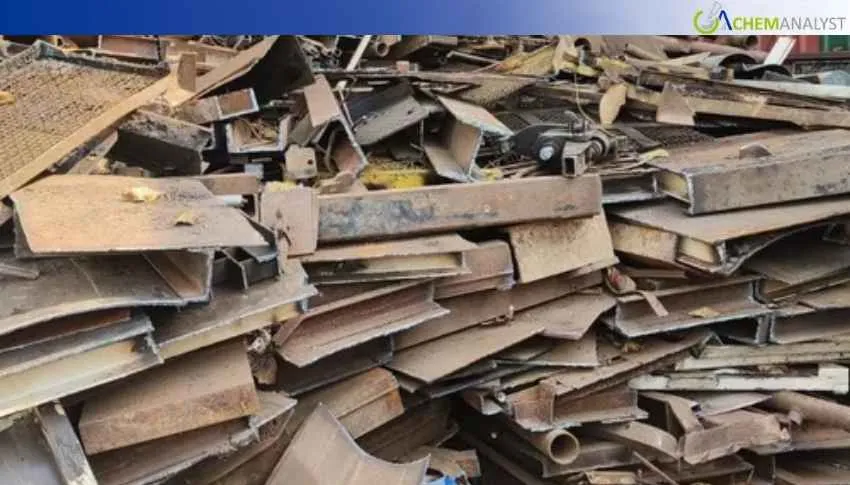
High Melting Scrap Shredded prices in India moved higher 1% into early February, building on bullish momentum that began in early January as improving steel demand met tightening local availability. Early January buying pushed prices up, and mid-month firmness in seaborne offers into Nhava Sheva further encouraged mills to secure High Melting Scrap Shredded imports. The late-January shutdown of Alang ship-breaking yards (24–30 January) removed a key domestic source and compounded supply tightness, while firmer South Asian container freight rates added incremental cost pressure on inbound material. By early February the High Melting Scrap Shredded market had regained a measured bid, with prices rising week-on-week into the period under review.
Demand dynamics were mixed across end-use sectors but overall supportive. Automotive sector demand remained strong, underpinning requirements for finished steel and sustaining appetite for High Melting Scrap Shredded feedstock, while engineering and industrial casting users provided steady secondary support. Construction continued to contribute moderately, driven by rebar and finished-steel needs despite pockets of softer rebar sales in parts of eastern India. In contrast, induction-furnace operators took a cautious stance, tempering small-scale scrap pull. Steel mills showed selective buying — securing essential parcels amid weak finished-steel margins — a pattern that left consumption balanced between firm pockets and restrained discretion. High Melting Scrap Shredded imports continue to play a dominant role in supply, covering roughly 75.0% of national consumption, according to ChemAnalyst data.
Supply dynamics were the central price driver. Local availability of High Melting Scrap Shredded tightened through January and seaborne inflows were constrained by firmer containerised offers and elevated freight, encouraging traders to re-route material and reducing some inbound allocations. The Alang yards’ seven-day shutdown in late January halted domestic movement of ship-breaking material and forced greater reliance on imports, supporting spot prices for High Melting Scrap Shredded. Mills’ cautious procurement and selective buying limited aggressive restocking, while higher container freight added to landed cost pressures for buyers sourcing High Melting Scrap Shredded from abroad. These upstream and logistical strains kept suppliers inclined to prioritise committed outlets and contributed to a constrained market balance.
Weekly assessment data show a tendency toward rising High Melting Scrap Shredded prices through the month, punctuated by a notable late-January spike. After modest gains in early January and a brief mid-month pullback, a significant jump in late January lifted the High Melting Scrap Shredded market before prices continued to inch higher into early February. Per weekly assessment data, the most pronounced weekly move was in late January, while the early-February increase reinforced a steady, if measured, uptrend rather than a sudden breakout.
Near-term outlook is for prices to remain stable to firm with limited upside, based on current market trends. Continued effects from the Alang shutdown and the country’s heavy reliance on imports will sustain sensitivity to seaborne flows and freight dynamics, while steady automotive and engineering-casting demand will underpin underlying consumption of High Melting Scrap Shredded. That said, selective mill buying amid weak finished-steel margins and cautious behaviour from induction-furnace operators will likely cap aggressive gains. ChemAnalyst expect High Melting Scrap Shredded price movement to be driven by developments in domestic scrapyards, container freight rates and any changes in mill purchasing patterns, subject to market conditions.







 About ChemAnalyst
Leave a Comment
Comments (0)