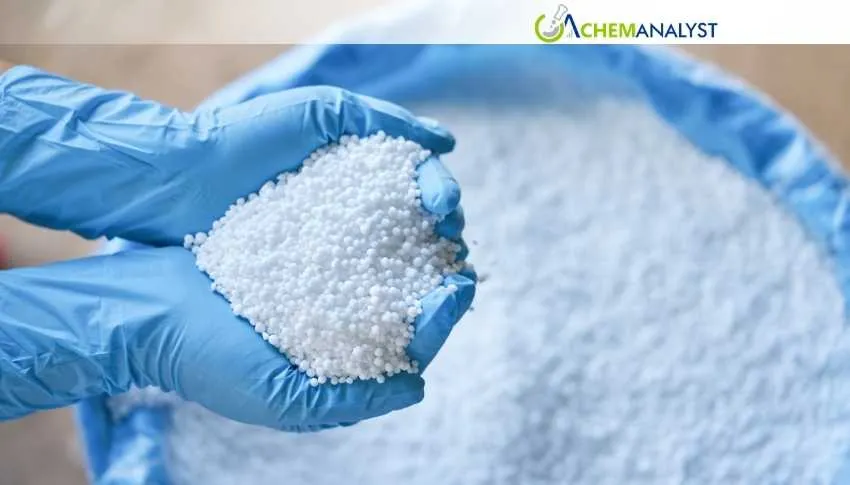
India has initiated its second global urea import tender of the year, seeking to procure 7 million tons of urea to secure adequate fertilizer availability for the upcoming Kharif cropping season. The move reflects the government's proactive efforts to maintain a stable supply of agricultural inputs amid rising international prices and continuing geopolitical uncertainties affecting global trade routes. While the tendering process is currently underway, authorities have not yet disclosed the final procurement price.
During a joint ministerial briefing addressing developments in West Asia and their potential impact on India, Aparna S. Sharma, Additional Secretary in the Ministry of Fertilizers, highlighted the sharp increase in global urea prices witnessed in recent months. According to the ministry, international spot prices for urea have risen dramatically since February, climbing from approximately $447 per ton to nearly $947 per ton. Despite this substantial escalation in costs, the Indian government has continued to expand overseas fertilizer purchases to ensure uninterrupted supplies for domestic farmers and prevent shortages during the critical planting season.
Officials also provided an update on the country's fertilizer inventory buildup strategy. India has already secured contracts for approximately 2.5 million tons of urea and 5 million tons of diammonium phosphate (DAP) from suppliers located outside the Strait of Hormuz region. These shipments are scheduled to arrive between June and July and will be distributed through ports and storage facilities across the country to strengthen fertilizer stocks ahead of peak agricultural demand.
The government's procurement efforts come at a time when geopolitical tensions in West Asia continue to create uncertainty across global commodity markets. Despite these challenges, India has managed to maintain a phased supply stream through a combination of domestic production and imports. Total new fertilizer availability during the relevant period reached around 13.243 million tons, comprising approximately 10.481 million tons produced domestically and 2.762 million tons sourced through imports.
At the same time, agricultural authorities have reassessed fertilizer demand projections for the 2026-27 Kharif season. Taking into account updated weather forecasts, including the potential effects of El Niño conditions, the Ministry of Agriculture worked closely with state governments to review expected cropping patterns and nutrient requirements. As a result, fertilizer demand estimates have been revised downward.
The latest assessment indicates that urea demand for the Kharif season is expected to reach 19.4 million tons, which is 400,000 tons lower than earlier projections. Demand for DAP has also been reduced by 600,000 tons, bringing the total expected requirement to approximately 6 million tons. These adjustments reflect changing agricultural conditions and anticipated cultivation patterns across various regions of the country.
India's summer crop sowing activities are currently in the early stages. In several regions that have already received pre-monsoon rainfall, farmers have begun land preparation and seed procurement activities. Cultivation of short-duration crops, including pulses, coarse cereals, and early-maturing cotton varieties, has started in some areas. Consequently, the timely availability of key fertilizers such as urea and DAP remains essential for supporting agricultural operations and ensuring smooth progress throughout the planting season.
Industry observers note that the government's decision to conduct multiple rounds of international fertilizer tenders reflects a strategic effort to mitigate supply-chain risks arising from geopolitical disruptions and exceptionally high global fertilizer prices. By securing additional supplies well in advance, India aims to prevent potential shortages, contain domestic price volatility, and safeguard agricultural productivity during the forthcoming Kharif season. The continued focus on inventory replenishment and import diversification is expected to play a critical role in supporting food production and maintaining stability in the country's agricultural sector.








 About ChemAnalyst
Leave a Comment
Comments (0)