Welcome To ChemAnalyst
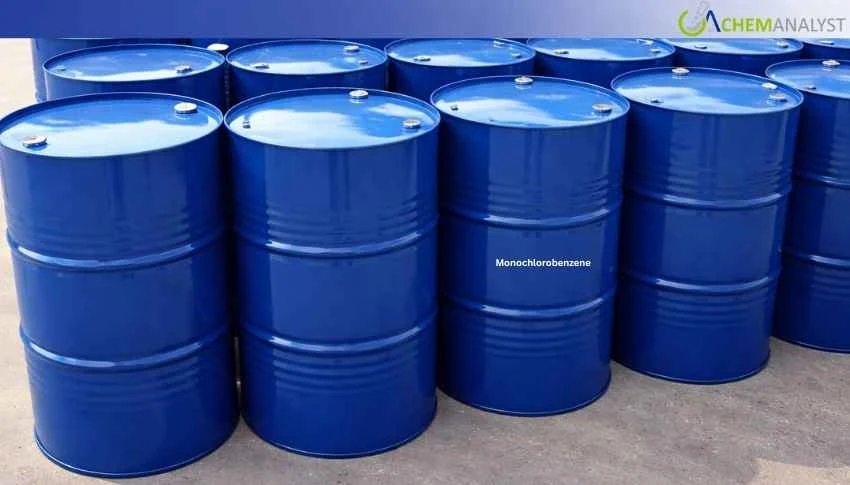
Monochlorobenzene prices in India surged in March 2026 as feedstock inflation coincided with strong downstream restocking, tightening merchant availability. Early in the month, domestic benzene prices strengthened amid a crude oil spike linked to Middle East hostilities, increasing chlorination production costs. By mid-month, western India producers were operating near nameplate capacity, while compliance-driven maintenance limited additional supply volumes. Logistics disruptions, including rail wagon shortages for hazardous cargo and limited port tank vacancies, pushed more material onto expensive truck routes. Late-month competition for limited merchant lots triggered a strong spot rally in the Monochlorobenzene market. Demand from textile, agrochemical, and pharmaceutical sectors supported the increase, with restocking activity concentrated ahead of the April–June export window. These end-use sectors account for more than 70% of Indian consumption. Buyers accepted substantial month-on-month increases to secure supply. Rising benzene values, stronger crude oil prices, and weaker chlorine credits further amplified the upward movement in Monochlorobenzene prices.
Monochlorobenzene prices in India surged sharply in March xxxx as rising feedstock costs, tightening merchant availability, and strong downstream restocking combined to support a bullish market trend. Early in the month, domestic benzene prices strengthened following a crude oil spike linked to escalating Middle East hostilities. This directly increased chlorination cash costs and pressured producer margins. As a result, the Monochlorobenzene market entered March with strong upward momentum.
During the early to mid-March period, major western India producers operated near nameplate capacities, but compliance-driven maintenance restricted incremental merchant supply. Although no major unplanned shutdowns were reported, routine maintenance and spending to comply with Hazardous Waste regulations reduced the volume of Monochlorobenzene available for spot sales. Mid-month logistics constraints further intensified tightness. Rail wagon scarcity for hazardous cargo and limited port tank vacancies forced more product onto expensive truck transportation routes, raising inland delivery costs...
We use cookies to deliver the best possible experience on our website. To learn more, visit our Privacy Policy. By continuing to use this site or by closing this box, you consent to our use of cookies. More info.