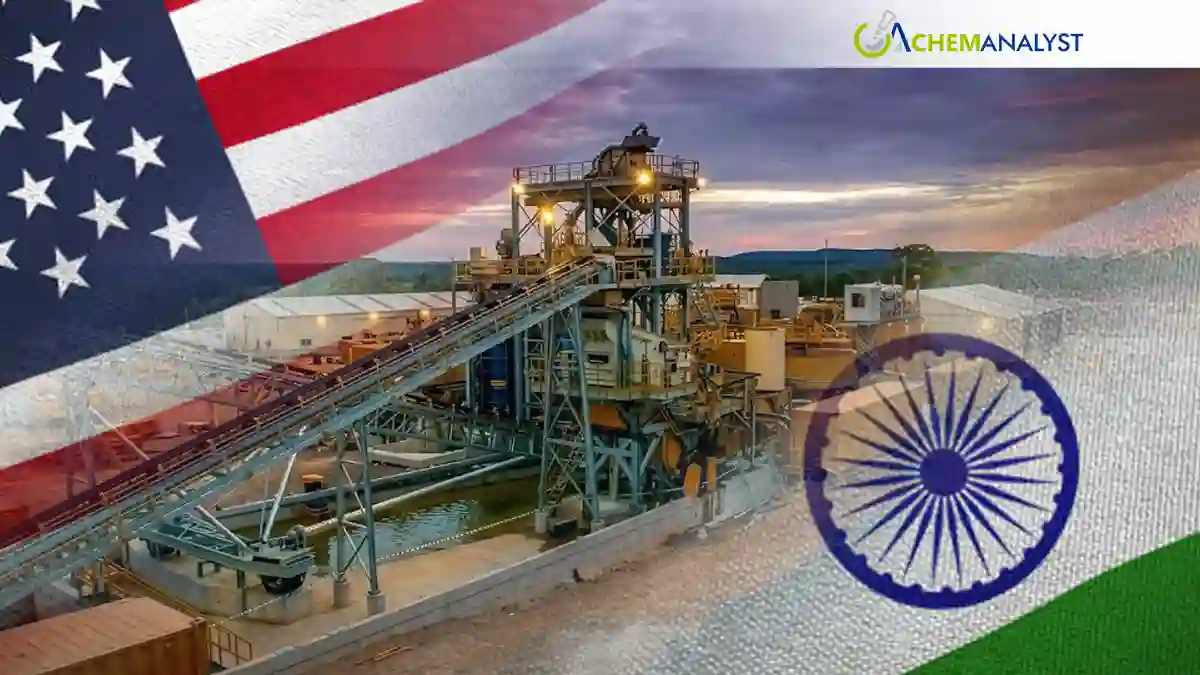
India and the United States have signed a landmark bilateral framework agreement to bolster the supply chain of critical minerals and rare earth elements, a move primarily driven by growing concerns over China's dominant position in these vital resources. The agreement was formalized on May 26, 2026, during the Quad Foreign Ministers' meeting in New Delhi, with India's External Affairs Minister S. Jaishankar and US Secretary of State Marco Rubio present. This pact signifies a strategic shift, elevating critical minerals from a mere industrial concern to a major geopolitical priority for both nations, intrinsically linked to national security, economic resilience, and technological leadership.
The core objective of this framework is to deepen cooperation across the entire critical minerals and rare earth supply chain. This encompasses mining, processing, recycling, and associated investments. By strengthening resilient and diversified supply chains, the agreement aims to reduce the vulnerability of both countries to single-source monopolies, particularly that of China, which currently holds significant control over the processing infrastructure for these materials. Both Jaishankar and Rubio emphasized the timeliness and criticality of this pact, highlighting the shared strategic interest in ensuring reliable, long-term access to these essential materials for their innovation economies.
The causes for this agreement are multifaceted. China's near-monopoly on rare earth elements and strategic metals has enabled it to exert export controls, raising concerns about potential leverage against other economies. This vulnerability has prompted global efforts to diversify sourcing and processing capabilities. The agreement builds upon prior initiatives, including the Critical Minerals Forum in Washington D.C. and India's signing onto the Pax Silica initiative, both aimed at securing critical mineral supply chains and promoting collaboration in advanced technologies like AI.
The consequences and impacts of this agreement are expected to be substantial. Economically, it aims to foster investments and technological collaboration, potentially strengthening India's domestic processing capabilities and reducing the reliance of US manufacturers on Chinese-processed minerals for sectors like electric vehicles, semiconductors, and defense. Geopolitically, the pact is a clear signal of closer cooperation between India and the US within the Indo-Pacific region, aiming to counter the weaponization of mineral supply chains in future conflicts and build parallel processing capacities outside China's influence. Industry-specific impacts will be felt across high-tech electronics, clean energy technologies (such as wind turbines and solar components), electric vehicles (batteries and motors), and defense systems, all of which heavily rely on these critical minerals. The long-term ambition is for India to emerge as a significant rare earth processing nation, potentially among the world's top five within a decade, demonstrating a viable alternative development model for other resource-rich nations.








 About ChemAnalyst
Leave a Comment
Comments (0)