Welcome To ChemAnalyst
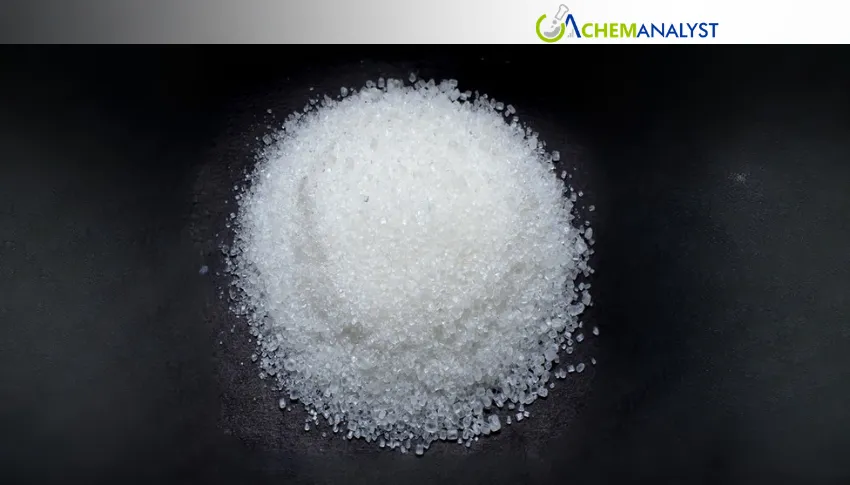
The Indian Ammonium Lauryl Sulphate (ALS) prices remained subdued during the first half of June 2026 as ample product availability, comfortable inventories, and cautious downstream purchasing continued to weigh on market sentiment. Personal-care manufacturers, including shampoo and body-wash producers, maintained conservative procurement strategies after completing earlier restocking cycles, while household cleaning and export-related demand remained moderate. Domestic producers operated at stable rates, supported by smooth logistics and sufficient feedstock availability, ensuring steady supply across key markets. Softer costs for natural lauryl alcohol further eased production economics and limited pricing support. Although FMCG production remained broadly stable, demand growth was insufficient to significantly improve market activity. Looking ahead, Ammonium Lauryl Sulphate (ALS) is expected to face mild downward pressure through the remainder of June due to adequate inventories and measured buying interest. However, seasonal demand from personal-care and FMCG sectors later in the year could provide support, while feedstock costs and freight developments remain key factors influencing future market direction.
The Indian Ammonium Lauryl Sulphate (ALS) prices remained under pressure during the first half of June **** as comfortable inventories, sufficient domestic production, and cautious downstream purchasing continued to weigh on sentiment. Following the sharp correction witnessed during May, buyers largely maintained a wait-and-watch approach, limiting procurement to immediate operational requirements. Improved product availability and steady imports ensured that Ammonium Lauryl Sulphate (ALS) remained readily accessible across major trading hubs, preventing suppliers from implementing significant price increases despite stable operating conditions.
Demand for Ammonium Lauryl Sulphate (ALS) from key end-use industries remained moderate during the first half of June. Personal-care manufacturers, including shampoo, body-wash, and cosmetic formulators, continued purchasing material conservatively after completing earlier restocking cycles. Household cleaning product manufacturers also maintained measured procurement patterns, while export-related demand remained relatively subdued. Although FMCG production levels stayed broadly stable, this was insufficient to generate stronger...
We use cookies to deliver the best possible experience on our website. To learn more, visit our Privacy Policy. By continuing to use this site or by closing this box, you consent to our use of cookies. More info.




