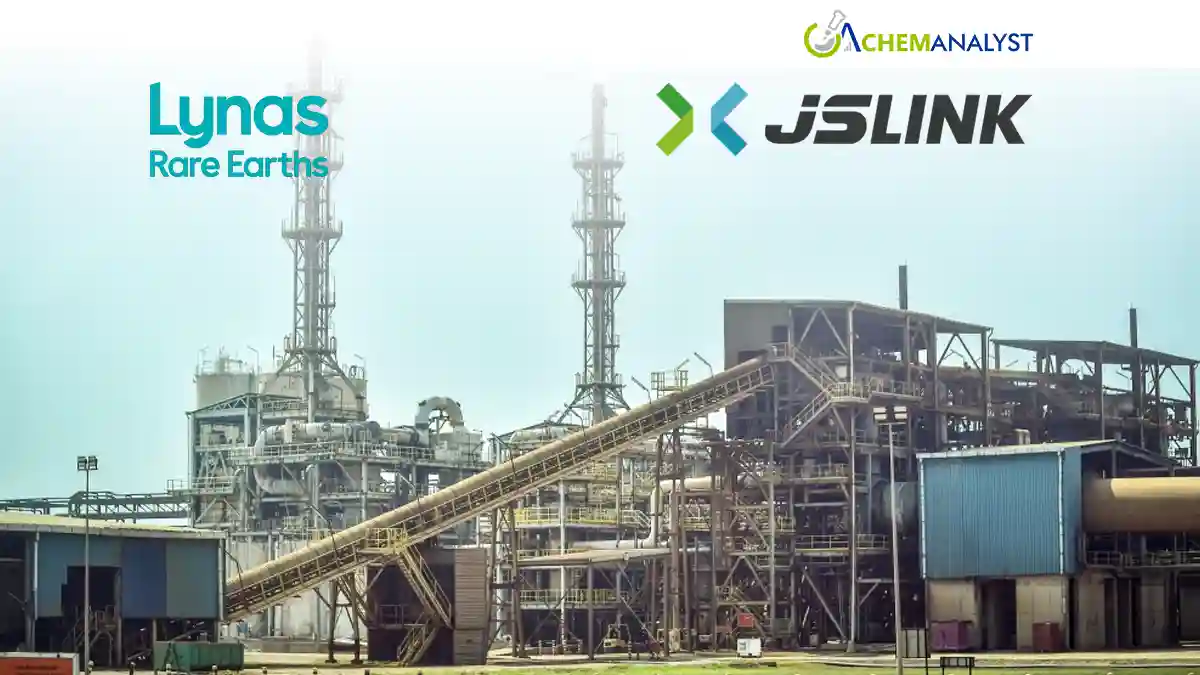
Lynas Rare Earths Limited, the world's largest producer of rare earths outside China, has partnered with South Korea’s JS Link Co Ltd to establish a commercial rare earth permanent magnet manufacturing facility. This joint venture, named Lynas-JS Link, will invest RM142 million, equivalent to approximately US$35 million, into the project. The facility will be located within the Gebeng Industrial Estate in Pahang, Malaysia, strategically positioned near Lynas's existing rare earth processing plant. This initiative marks a significant step towards creating a robust rare earth magnet supply chain independent of China.
The new factory will focus on producing high-performance neodymium iron boron (NdFeB) permanent sintered magnets, which are essential components in various advanced technologies. Lynas will hold a 40 percent equity stake in the joint venture, while JS Link, a South Korean advanced materials company specializing in rare earth permanent magnet manufacturing, will hold the remaining 60 percent. Construction of the facility is projected to commence in the fourth quarter of 2026, with commissioning targeted for the fourth quarter of 2027. The plant is expected to produce 3,000 tonnes of magnets annually. This collaboration leverages Lynas's expertise in upstream rare earth processing and JS Link's specialized knowledge in magnet manufacturing, creating a comprehensive value chain. Lynas will exclusively supply rare earth materials to the new Malaysian plant and JS Link's facility in Yesan, South Korea, until January 2038.
A primary driver for this strategic partnership is the escalating global demand for rare earth magnets. These magnets are crucial for manufacturing electric vehicles (EVs), wind turbines, advanced electronics, and defense systems. Currently, China holds a dominant position in the global rare earth magnet supply chain, controlling an estimated 90 percent of global production. This joint venture aims to diversify the global supply, offering a reliable alternative source for these vital materials outside of China. Lynas CEO, Amanda Lacaze, emphasized the strategic importance of this move for Lynas and the broader critical minerals sector, highlighting its role in securing future supply.
The RM142 million investment by Lynas-JS Link will provide a substantial economic boost to the Gebeng region in Malaysia. It is expected to create up to 400 new jobs in Malaysia. From an industry perspective, this facility will integrate Lynas further into the rare earth value chain, expanding its operations beyond raw material processing into high-value magnet production. Geopolitically, the project significantly enhances critical mineral supply chain security for Western nations and South Korea. By reducing reliance on a single country for essential rare earth magnets, the partnership helps mitigate potential supply disruptions and strengthens global resilience in strategic materials. This initiative underscores a broader international effort to establish diversified and resilient supply chains for critical resources. The magnets produced will supply automotive, wind energy, and electronics manufacturing supply chains in key markets, including South Korea and Malaysia.
Impact on Prices of Chemical Commodities Tracked by ChemAnalyst
The Lynas-JS Link joint venture is expected to have a limited to slightly bullish impact on Yttrium Oxide prices tracked by ChemAnalyst. Although yttrium is not a primary raw material used in neodymium iron boron (NdFeB) permanent magnets, the investment reinforces the broader rare earth supply chain outside China and is likely to increase overall rare earth processing activity. This could improve market sentiment across the rare earth sector, offering modest price support for yttrium. In the short term, the project is unlikely to significantly alter yttrium supply-demand fundamentals, as commercial magnet production is scheduled to begin only in late 2027 and yttrium demand is largely driven by phosphors, ceramics, lasers, and advanced electronics rather than permanent magnets. Over the longer term, stronger investments in non-Chinese rare earth refining and processing could enhance demand for co-produced rare earth elements, including yttrium, helping maintain firm to slightly higher Yttrium Oxide prices.







 About ChemAnalyst
Leave a Comment
Comments (0)