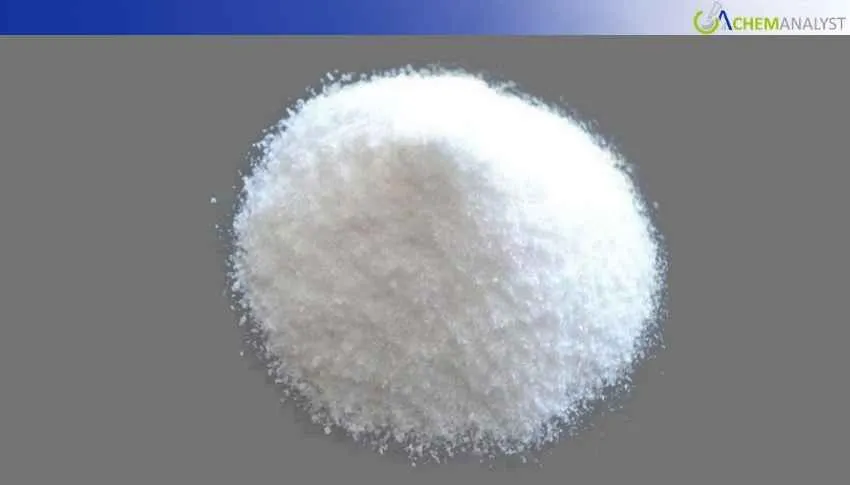
The ongoing U.S.–Israeli conflict with Iran has significantly disrupted global petrochemical markets. Strikes on critical infrastructure have led to severe energy disruptions and shortages of key raw materials, including methanol. A growing number of refineries and petrochemical producers, especially in Asia, have reduced operating rates, shut units, or declared force majeure, tightening global supply availability.
These disruptions have directly impacted calcium formate production, as manufacturers faced feedstock shortages and rising input costs. Several producers globally either entered maintenance or reduced operating rates due to limited access to raw materials, leading to tighter supply conditions and reduced spot availability in the market.
Feedstock formic acid markets experienced a notable contraction in supply. Temporary shutdowns at key manufacturing units, combined with scheduled maintenance at facilities in the Shandong region with a total capacity of 350,000 tons, significantly reduced availability. Operating rates declined, and inventory levels continued to fall, creating a tightening supply-demand balance that strongly supported price increases.
At the same time, demand for formic acid remained robust. Downstream sectors maintained steady procurement driven by essential consumption needs, while smooth distribution channels enabled producers to reduce inventories. Internationally, prices surged, boosting export demand, particularly from Southeast Asian markets such as Vietnam, further widening the supply-demand gap.
Upstream methanol markets added further pressure on the calcium formate. Global methanol supply was severely disrupted, with an estimated 18–20 million tonnes per year of capacity constrained due to geopolitical tensions. As methanol is a key input for formic acid production, rising costs translated directly into higher calcium formate production expenses, forcing producers to maintain firm offers.
Crude oil markets also played a critical role. The Strait of Hormuz, a vital global trade route, faced disruptions, increasing freight costs, war-risk insurance premiums, and bunker fuel expenses. These logistical challenges tightened global supply chains and increased overall production and transportation costs across the petrochemical industry including calcium formate.
On the demand side, the construction sector, a key end user for calcium formate in cement and concrete applications, remained weak. China’s construction activity index fell to 48.2%, down 0.6 percentage points month-on-month, reflecting a seasonal slowdown. New home sales dropped by around 30% both year-on-year and month-on-month, with sharper declines of around 40% in major cities. Secondary housing transactions fell by about 50% month-on-month and 28% year-on-year, limiting downstream demand.
According to Chemanalysts data, calcium formate prices are expected to rise further in the near term, driven by sustained feedstock cost pressure and ongoing geopolitical disruptions. Rising methanol costs, constrained global supply, and elevated logistics expenses are likely to keep the calcium formate market firm, although weak construction demand may continue to limit the calcium formate pace of gains.







Leave a Comment
Comments (0)