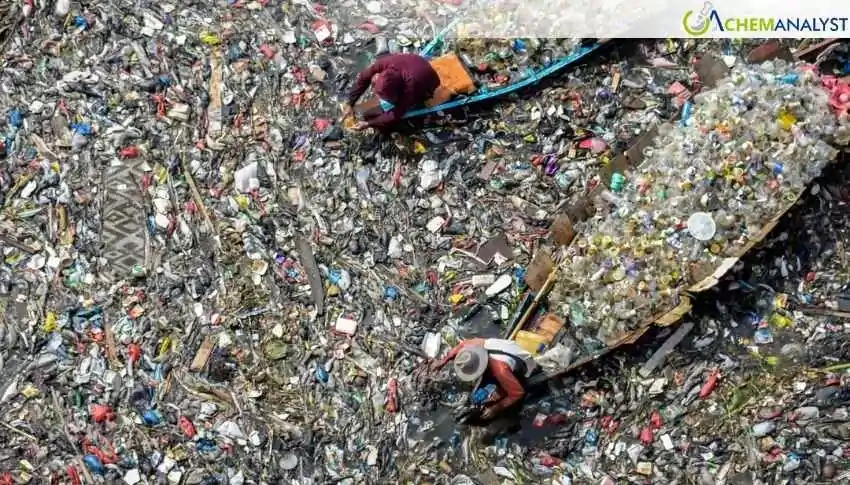
Northeast Ohio is actively confronting the pervasive issue of plastic pollution, leveraging its historical strength in the polymer industry to innovate sustainable solutions. The region's efforts have been recognized nationally, with Akron designated as the "Sustainable Polymers Tech Hub" by the Biden administration in October 2023. This designation highlights a concerted push by local companies, universities, and government entities to address the environmental challenges posed by plastic waste.
The core of the plastic pollution problem stems from the sheer volume of plastic produced globally—over 350 million tons annually—and the economic disincentive for recycling. It is often cheaper to produce new plastic from fossil fuels, which contributes to greenhouse gas emissions, than to recycle existing materials. This economic reality has led to a glut of discarded plastic, with significant environmental consequences. For instance, a study by the Rochester Institute of Technology revealed that 5.5 million pounds of plastic pollute Lake Erie each year, with approximately 80% of Great Lakes shoreline litter being plastic, leading to microplastic contamination and harm to wildlife.
In response, Northeast Ohio has adopted a multi-faceted approach. Key events include Cuyahoga County's proposed plastic bag ban in 2019 to reduce disposable plastic use. More significantly, Ohio has developed two new chemical recycling facilities that utilize advanced technologies to process plastic waste. Companies like Alterra Energy are central to these efforts, aiming to create value from discarded plastics and incentivize their re-entry into the economy, replacing new fossil-based materials. These facilities convert plastic waste into pyrolysis oil, which can then be used as a feedstock for new plastics, diverting significant amounts of waste from landfills.
The economic and industry-specific impacts are substantial. Northeast Ohio boasts the densest concentration of plastic, polymer, and rubber manufacturing in North and South America, with over 800 polymer and materials companies and 26,000 polymer workers. The Polymer Industry Cluster in Akron, a coalition of companies, universities, and government, is seeking significant federal funding—at least $40 million—to solidify its role as a national technology hub for sustainable polymers. This initiative aims to strengthen ties within the industry, facilitate the transition to more sustainable manufacturing practices, and establish global leadership in sustainable polymer technology that is recyclable, biodegradable, and non-toxic. The University of Akron plays a crucial role, being ranked #1 globally for polymer science and plastics engineering, and actively conducting research into renewable feedstocks, degradable polymers, and innovative recycling strategies to reduce waste and dependence on fossil fuels. This regional focus on sustainable polymers is not only an environmental imperative but also a strategic economic move to ensure long-term growth and competitiveness in a changing global economy.







Leave a Comment
Comments (0)