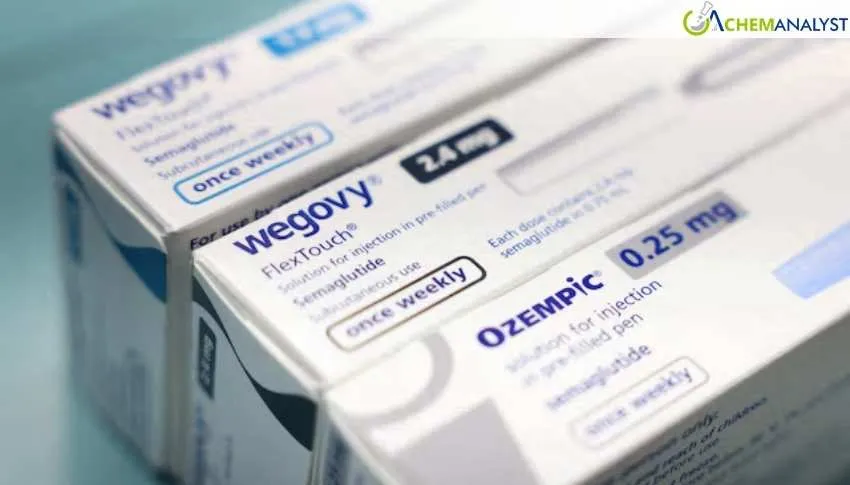
Novo Nordisk's burgeoning success in the weight-loss drug market is facing a significant challenge as an intensifying price war, primarily with U.S. rival Eli Lilly, threatens to erode profit margins. The Danish pharmaceutical giant has seen brisk early demand for its new oral Wegovy pill, with approximately 721,000 prescriptions in the U.S. during the first quarter. This strong launch, however, is juxtaposed against a rapidly evolving competitive landscape.
A key event driving this shift was the U.S. Food and Drug Administration's (FDA) approval of Eli Lilly's rival oral pill, Foundayo, in early April, ending Novo Nordisk's brief exclusivity in the oral obesity treatment market. This development sets the stage for a direct head-to-head battle, with investors closely scrutinizing whether Novo Nordisk's increasing prescription volumes can offset the downward pressure on prices. Eli Lilly has also demonstrated strong performance with its injectable weight-loss and diabetes drugs, Zepbound and Mounjaro, further intensifying the competition.
The causes of this emerging price war are multifaceted. The high efficacy of GLP-1 drugs, with oral Wegovy demonstrating an average weight loss of about 17% of body weight in trials, has fueled massive patient demand for effective weight-loss solutions. The introduction of a needle-free oral option is particularly appealing, expanding market access to patients who prefer alternatives to injections. However, this burgeoning demand is now met with aggressive pricing strategies. Novo Nordisk has strategically priced its oral Wegovy, especially starter doses, at a significantly lower cost (e.g., $149 per month for the 1.5mg dose) to attract new users and gain market share. This move, coupled with pressures from political figures like U.S. President Donald Trump to lower drug costs, has ignited what analysts describe as a "bruising price war".
The consequences of this competition are significant for Novo Nordisk and the broader pharmaceutical industry. Economically, the potential for a price war could compress revenue and profit margins for companies operating in the obesity drug sector. This uncertainty has already impacted Novo Nordisk's stock value, which experienced a substantial decline from its 2024 peak following a challenging year marked by disappointing trials for next-generation drugs, outlook cuts, and leadership changes. Industry-specific impacts include a redefinition of the obesity treatment market, with a focus on more accessible and affordable oral options. Pharmaceutical companies are under pressure to enhance manufacturing capacity to meet anticipated demand and avoid supply shortages, while also innovating to differentiate their products. The long-term forecast of annual global sales for obesity drugs reaching $150 billion early in the next decade now faces scrutiny due to these pricing pressures. Some analysts even warn of a "bubble effect" from GLP-1-driven growth, highlighting macro and valuation risks across the pharmaceutical sector.







Leave a Comment
Comments (0)