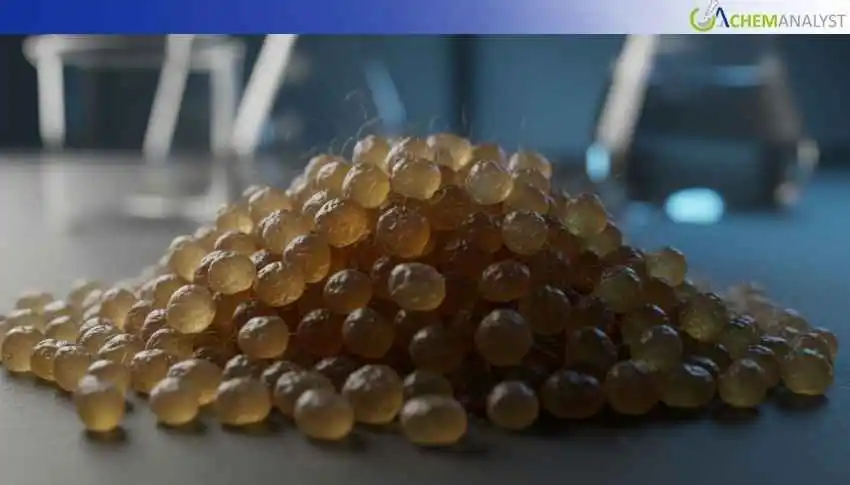
The Polybutylene Adipate Terephthalate (PBAT) markets in both the US and Europe remained stable during the first week of December 2025. The stability can be attributed to the increase in supply of PBAT and decreasing raw material costs while maintaining a steady supply of demand from the downstream segment of the market over the past several months due to volatility in the feedstock markets, fluctuations in demand for certain types of packaging, and the current state of the global economy. The ability to maintain stability in the early part of December 2025 was also due to continued procurement by end-use sectors that utilise PBAT, which include flexible packaging, agricultural films, and consumer goods.
Although PBAT producers maintained a predictable environment to work in, the feedstock market for adipic acid and butanediol experienced a softening through lower-than-normal demand from other chemical markets and an increase in production capacity, allowing for lower support of the price of PBAT. The ongoing negotiations between buyers and sellers were still being conducted in a proactive manner, but with no major disruptions to supply or sudden increases in demand, the price had limited movement. Most packaging converters continued their purchasing habits as usual, purchasing products for a shorter time frame than forward-ordered inventories due to adequate inventory at all levels in the supply chain. Finally, the overall logistic environment has stabilised with no major disruptions in the domestic delivery system.
The European PBAT markets were somewhat volatile but generally holding stable on account of equal underlying factors as well as a generally favourable outlook for bioplastics at this time. The European market for PBAT has benefitted from an increase in manufacturing utilization rates within European bio-based polymer manufacturing facilities, and the most recent updates released by the European Bioeconomy Strategy project increased long-term policy support for bio-based materials in Europe over time. While overall European energy prices have been higher than normal for many years, they were still stable enough at the beginning of December that there was not enough of a spike to create an immediate increase in the cost of producing PBAT.
Packaging and agricultural film manufacturers remained stable consumers of PBAT products through this period; typically, this would be viewed as a decrease in demand due to the cold weather season approaching; however, the consistent demand for bioplastics from sustainable packaging manufacturers continued to support baseline consumption for PBAT products thereby preventing any large decreases in PBAT price.
According to PBAT pricing forecasts for the near future, stability in pricing for both regions should persist with no major fluctuations. The consensus among market participants is that the price of PBAT will exhibit price stability through December due mainly to balanced market conditions. There is a slight possibility that prices could increase due to rising prices for energy and feedstock materials. Price decreases should occur in January and February because of weakening demand for PBAT due to seasonality and increased competition from other types of biopolymers. Price increases in March and April may occur due to increased demand coming from the packaging and consumer goods sectors and continued increases in the price of feedstock materials.
Overall, the overall impression one gets when looking at December's pricing is that the market is currently in equilibrium with demand being relatively constant, supply being somewhat moderate, and the developing bioplastics industry finding its way into the market.







Leave a Comment
Comments (0)