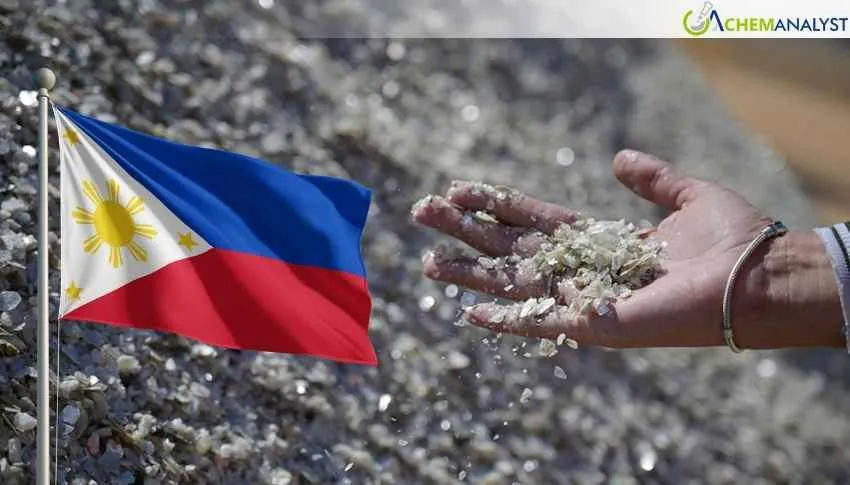
The Philippines is actively pursuing closer collaboration with Israel in the areas of artificial intelligence (AI) and critical minerals, as part of a broader strategy to strengthen its position in the global AI supply chain. According to the Board of Investments (BoI), these efforts are aimed at building long-term capabilities in advanced technologies while enhancing the value of the country’s natural resource exports.
On May 1, Trade Undersecretary and BoI Managing Head Ceferino S. Rodolfo held discussions with Eden Bar Tal of Israel’s foreign ministry. Their meeting focused on identifying potential areas for strategic cooperation, particularly in mineral processing and AI-driven technologies. One of the key outcomes under consideration is the establishment of a bilateral memorandum of agreement that would cover collaboration in critical minerals, including joint initiatives in research, development, and advanced processing techniques.
Both nations are also examining ways to capitalize on the Philippines’ existing strengths in semiconductor and microchip manufacturing. These industries are seen as essential building blocks for AI systems, especially in the production of hardware components required for computing infrastructure. By leveraging this capability, the Philippines aims to move beyond raw material exports and position itself as a more integral player in high-value segments of the technology supply chain.
Rodolfo emphasized that the country’s long-term objective is to increase the value derived from its “green metals,” such as nickel and cobalt. These materials are vital for emerging technologies, including electric vehicles and energy storage systems, and are increasingly important in the global transition toward renewable energy. He noted that access to advanced AI technologies—particularly those relevant to hardware manufacturing—could enable the Philippines to enhance its industrial capabilities and add a new layer of sophistication to its mineral-based industries.
Israel, for its part, brings significant expertise in areas such as water resource management, environmental technologies, and AI hardware innovation. These strengths could complement the Philippines’ ambitions by supporting more efficient and sustainable industrial processes. Israeli technologies in mining and environmental management could also help accelerate the Philippines’ shift toward higher-value semiconductor manufacturing.
In addition to bilateral engagement, Rodolfo is set to participate in a critical minerals forum organized by the Organisation for Economic Cooperation and Development (OECD). He also plans to visit member countries of Pax Silica to explore further opportunities for collaboration in minerals processing. The Pax Silica initiative, which includes both the Philippines and Israel, is designed to strengthen cooperation among like-minded countries and serve as a counterbalance to China’s expanding influence in global technology manufacturing.
As part of its domestic strategy, the BoI has also announced plans to develop a 1,618-hectare AI-focused industrial hub in New Clark City. This “AI-native” zone is intended to attract investments, foster innovation, and support the country’s ambition to become a key participant in the global AI ecosystem.
Overall, the Philippines’ engagement with Israel reflects a deliberate push to integrate advanced technologies with its natural resource base, aiming to achieve sustainable growth and a stronger foothold in future-oriented industries.






Leave a Comment
Comments (0)