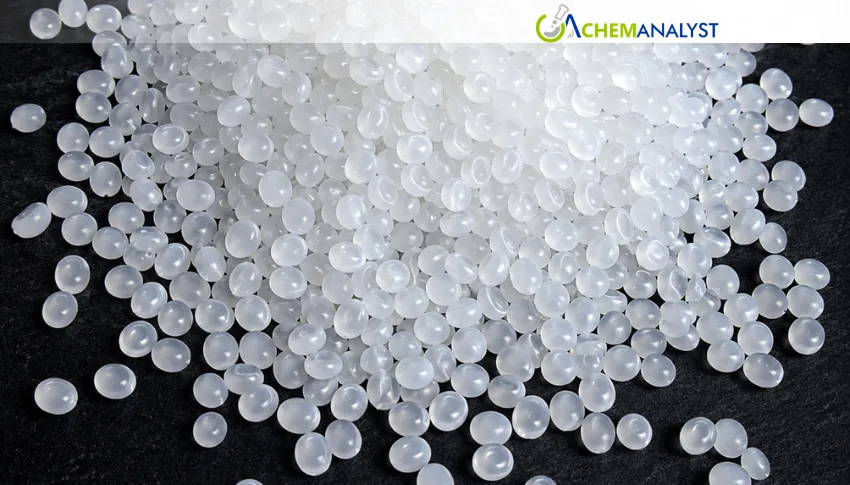
US Polylactic Acid price as anticipated for a price recovery in July has begun to emerge across the U.S, as participants expect post-June restocking activity, improving procurement from packaging converters, and firmer demand from sustainable packaging applications to support values during the first half of July. However, despite this improving outlook, the Polylactic Acid market remained under significant pressure throughout June 2026, with Polylactic Acid contract prices declining by 2.21% month-on-month due to easing feedstock costs and aggressive competition from discounted imports.
The month started with a relatively balanced tone for Polylactic Acid, but market sentiment weakened progressively as converters reduced inventories and resisted the premium pricing traditionally associated with Polylactic Acid products. Early June witnessed stable purchasing activity, while mid-month trading became range-bound amid growing competition from imported material. By late June, conditions deteriorated sharply as discounted Asian-origin Polylactic Acid cargoes continued entering the U.S. market, increasing pressure on domestic suppliers.
Demand fundamentals for Polylactic Acid weakened throughout June, particularly within the packaging sector, which remains the largest downstream consumer of Polylactic Acid. Early-month procurement from rigid packaging, thermoforming, and consumer goods manufacturers provided some support, but buying momentum slowed significantly as converters increasingly shifted toward lower-cost conventional polymers to preserve margins. Many processors adopted a hand-to-mouth purchasing strategy for Polylactic Acid, avoiding long-term commitments and drawing down existing inventories. Global demand for Polylactic Acid also softened as abundant export availability from Asia improved buyers’ negotiating power and reduced urgency to secure domestic supplies.
On the supply side, lower corn starch values reduced production costs for Polylactic Acid, weakening cost support across the market. Since lactic acid production relies heavily on corn-derived feedstocks, falling agricultural input costs improved manufacturing economics and encouraged competitive pricing. At the same time, ample feedstock availability across Southeast Asia supported elevated production rates and sustained exports of Polylactic Acid. The U.S. Gulf Coast continued receiving competitively priced biopolymer cargoes from China and other Asian suppliers, forcing domestic producers to lower offers to remain competitive. With no significant production outages reported during June, supply remained comfortable and further pressured Polylactic Acid pricing.
Weekly assessments highlighted the changing market environment. While Polylactic Acid prices were largely stable through mid-June, the final weeks of the month recorded noticeable declines as sellers responded to mounting import pressure and weaker demand. The extended bearish trend observed during late June reflected persistent selling activity, ample supply availability, and limited buyer participation, resulting in a weaker pricing environment across the Polylactic Acid market.
The outlook for Polylactic Acid during the first half of July 2026 has turned moderately bullish despite the weakness seen in June. Market participants expect inventory replenishment following prolonged destocking, improved procurement from packaging and consumer goods manufacturers, and stronger demand for sustainable materials to support pricing. Stabilizing feedstock costs and expectations of firmer domestic and export inquiries are also likely to provide additional support. Consequently, Polylactic Acid prices are anticipated to rise further during the first half of July, although the pace of recovery will remain dependent on import competition, converter purchasing behavior, and broader market conditions.







 About ChemAnalyst
Leave a Comment
Comments (0)