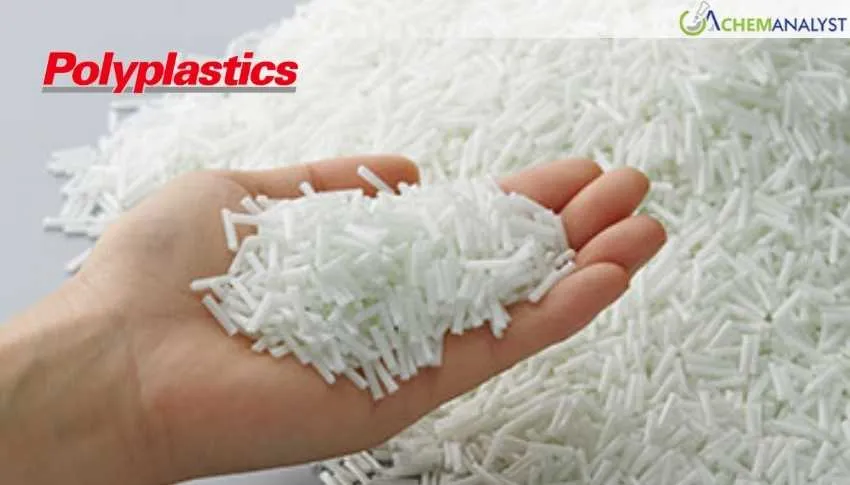
Polyplastics Co., Ltd., a leading global supplier of engineering thermoplastics, has introduced a new range of PLASTRON® long-fiber thermoplastic (LFT) grades that incorporate post-consumer recycled (PCR) polypropylene. This development reflects the company’s ongoing focus on sustainability and circular material solutions. The newly formulated grades—PLASTRON® RSG20011 and RSG20013—are currently in the sampling and evaluation phase, with early results indicating that they can match the performance of conventional materials derived from virgin raw inputs.
These innovative grades contain more than 30% PCR polypropylene, combined with glass fiber reinforcement levels ranging between 30% and 40%. Despite the inclusion of recycled content, the materials demonstrate strong mechanical characteristics, including high rigidity and excellent impact resistance. According to the company, these properties are comparable to those of existing PLASTRON® products manufactured entirely from virgin materials, making them suitable for demanding engineering applications where strength and durability are critical.
A key advantage of these newly developed materials lies in their environmental performance. By utilizing recycled polypropylene sourced from post-consumer waste streams, the products contribute to a measurable reduction in environmental impact. Specifically, Polyplastics reports that these grades can lower the product carbon footprint (PCF) by more than 20% compared to equivalent materials made from virgin resources. The PCF calculations are based on internationally recognized standards, including the GHG Protocol and ISO 14067, and incorporate operational data along with reference values from established databases. However, the company notes that these figures are indicative and may vary depending on specific conditions.
This initiative aligns with Polyplastics’ broader sustainability strategy, which emphasizes the development of materials that support resource efficiency and reduced emissions. In addition to expanding its portfolio of PCR-based thermoplastics, the company is also exploring the use of alternative reinforcement materials such as cellulose fibers. These bio-based reinforcements offer the potential to further decrease environmental impact while maintaining or enhancing material performance.
Looking ahead, Polyplastics plans to continue broadening its lineup of eco-friendly materials to address a wider range of customer requirements across industries. By integrating recycled content and sustainable reinforcements into its products, the company aims to support manufacturers in achieving their environmental goals without compromising on quality or functionality. This approach not only strengthens Polyplastics’ position in the advanced materials market but also contributes to the global transition toward more sustainable production and consumption practices.








 About ChemAnalyst
Leave a Comment
Comments (0)