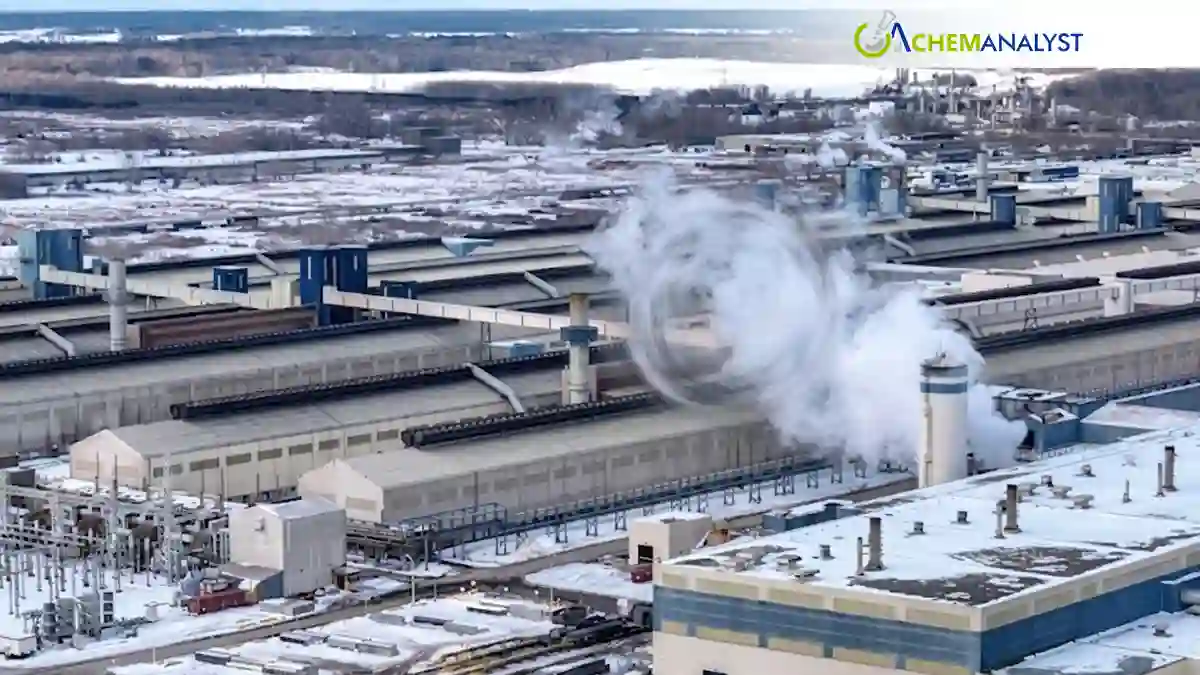
Despite increased United States tariffs, Quebec's aluminum smelters have demonstrated remarkable resilience, maintaining approximately 95% capacity with no reported layoffs. This sustained operation comes even after the Trump administration significantly raised tariffs on aluminum imports to 50% from 25% in June 2025. While Canadian producers initially absorbed substantial losses, estimated at nearly US$600 million over eight weeks, the industry has since adapted.
The primary cause for this unexpected resilience and shifting trade dynamics stems from a confluence of factors. Foremost is the imposition of higher US tariffs, which initially disrupted the traditional flow of Canadian aluminum into the American market. Before the tariffs, the US accounted for 95% of Quebec's aluminum exports in the first quarter of 2025. Following the tariff hike, this share dropped to 78% in the second quarter of 2025.
Compounding the impact of tariffs are significant global supply shocks, particularly due to the ongoing crisis in Iran. This conflict has led to the shutdown of production lines and severe shipping delays in the Strait of Hormuz, a critical waterway for Middle Eastern aluminum exports. The Gulf region, which previously supplied about 9% of global primary aluminum, has seen two-thirds of its production go offline, causing aluminum prices to surge to a four-year high. The US has also been slow to increase its own primary aluminum production, further contributing to supply tightness.
The consequences of these events have been far-reaching, impacting economic, geopolitical, and industry-specific landscapes. Economically, while initial losses were significant for Canadian producers, global aluminum prices have continued to rise, with the US Midwest premium jumping 82% since early June. This has, in part, allowed Canadian producers to remain competitive. Geopolitically, there has been a notable redirection of Canadian aluminum exports. Europe's share of Quebec's aluminum exports dramatically increased from 0.2% to 18% in the second quarter of 2025, as European manufacturers sought stable and reliable sources. Canadian aluminum, produced using hydroelectric power, is also appealing to Europe due to its low-carbon footprint, aligning with mechanisms like the CBAM carbon pricing. This shift has positioned Canada as a secure alternative to Middle Eastern and Indian imports, offering significantly shorter transit times.
Industry-specific impacts include a 36% decline in Quebec's overall metallurgical export volumes between February 2025 and February 2026, though the aluminum sector itself saw a 5% increase in jobs despite a broader industry-wide employment fall of 3.6% in 2025. Major producers like Rio Tinto even resorted to buying aluminum from rivals to resell to American customers to mitigate tariff effects. The crisis has also spurred discussions about diversifying global aluminum supply chains, with new smelter projects being considered outside the Gulf region. Prime Minister Mark Carney has established an advisory committee to highlight Canada's strategic advantages to Washington amidst these changing trade dynamics.






Leave a Comment
Comments (0)