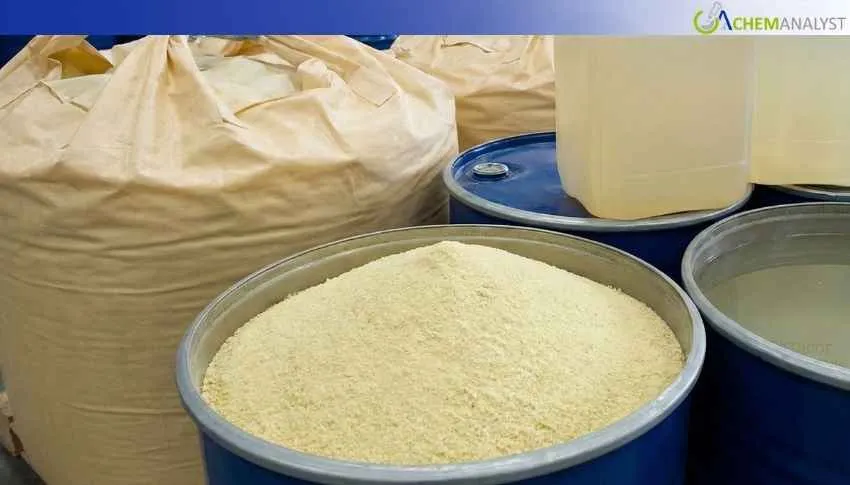
In the first week of January 2026, the price for Polyaluminium Chloride was on the upswing in the United States because of several factors including increased seasonal demand, supply-side delays and cost pressures. The Polyaluminium Chloride price increase began at the end of year, as municipal water treatment plants and industrial users returned to purchasing after their holiday-related slowdowns. This renewed demand supported market confidence and contributed to the initial gains in Polyaluminium Chloride prices in January 2026.
The dynamic nature of winter weather patterns was a major contributor to market conditions. The increased demand for heating and operating electricity that comes with the cold weather resulted in increased production and operating costs for manufacturers of Polyaluminium Chloride. As a result, these additional costs were passed on, in part, to buyers, thus reinforcing the pattern of increasing Polyaluminium Chloride prices by 4%. In addition, the limited availability of product continued to tighten supply due to several smaller manufacturers who were undergoing their scheduled seasonal maintenance, which also contributed to the increase in pricing power for manufacturers early in January.
In conclusion, the dynamics of combined demand from restocking, escalating operating costs, and restricted availability of spot containers created very firm conditions for the market. Consequently, Polyaluminium Chloride prices increased, despite subsequent trends towards stabilising broader shipping costs later in the quarter.
The short-term forecast for the Polyaluminium Chloride market from early January 2026 anticipated cautious stability to firm trends due to consistent municipal and industrial demand. Despite the seasonal decrease, there has been sufficient water treatment activity to create a baseline and limit the potential for sudden increases in demand. Likewise, purchases made through compliance with water quality regulations maintained consistent sales to municipal customers.
The outlook indicates that there are balancing forces which will slow down the momentum of Polyaluminium Chloride price over time. There is a prediction that supply will return to normal when production facilities are running at full capacity and, thus, producers will experience less tightness in the marketplace. The lack of urgency by distributors to quickly buy spot products will continue to reduce both their inventory levels and their ability to influence Polyaluminium Chloride prices higher than they would typically do so.
In addition, outlook indicate, upstream feedstock costs will be levelled out rather than experience large increases, as a result, the upward support for feedstock costs will be limited because of cost-based Polyaluminium Chloride price pressure will be lessened in the months ahead. Additionally, energy and logistics costs, even though remaining at elevated levels for the winter months, are projected to remain at relatively similar levels throughout the entire winter season and, therefore, will mitigate any large price fluctuations due to increased feedstock costs through the winter months.







Leave a Comment
Comments (0)