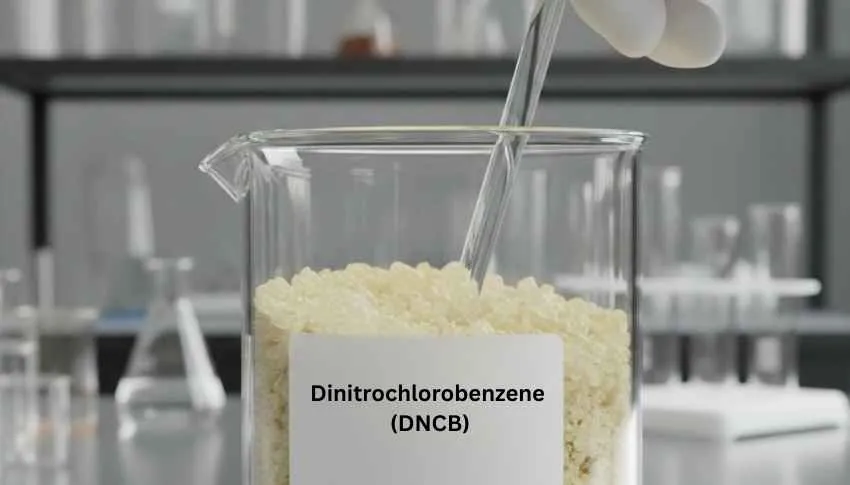
Spain’s Dinitrochlorobenzene (DNCB) market weakened through January 2026 as import availability outpaced cautious domestic buying. Early to mid-month saw steady DNCB shipments from India, Germany, and China and fluid port operations, while mid to late January buying shifted to immediate requirements as downstream users awaited clearer first-quarter signals. A post-peak holiday slowdown in textile colorant orders reduced urgency for spot procurement for DNCB, and a strengthening Euro compressed dollar-denominated offers, reinforcing a bearish tone for DNCB. Overall, sellers trimmed quotations to keep volume flowing into Spain’s import-dependent market, while terminal inventories were described as comfortable, softening short-term pricing momentum.
Downstream demand remained broadly soft across core consumer segments, reflecting the muted spot enquiry that pressured DNCB sellers. Dye intermediates and textile colorant producers in Catalonia kept throughput flat as export orders leveled off, while rubber-chemical blenders along the Ebro corridor reported normal call-offs and refrained from forward purchases; in pharmaceuticals, formulators of anti-microbial intermediates sourced only contractual volumes. The average spot level for 2,4-dinitrochlorobenzene (DNCB) CFR Barcelona in January was $1,148/MT, down from $1,180/MT in December, a month-on-month slip of -2.7%, according to ChemAnalyst. Parcel sizes into Barcelona and Valencia continued at a stable range, and port berth waiting times stayed around 2 days, underscoring steady logistics.
Supply-side dynamics eased pressure on availability even as operating costs remained a restraint. Exporting origins maintained steady nitration and shipment momentum, and Chinese DNCB suppliers continued to channel cargoes through Western Mediterranean services, which helped keep arrivals prompt. Falling Iberian electricity costs partially retreated from 2025 peaks, relieving some margin pressure but leaving buyers cautious about committing to forward volumes. DNCB inventories at Spanish terminals looked comfortable, a factor that limited sellers’ ability to push for higher offers. The January price decline for DNCB CFR Barcelona reflects this balance of steady imports and subdued domestic absorption, according to Analysts in ChemAnalyst.
Looking ahead, ChemAnalyst’s short-term view points to a modest further downside, with a projected 0.52% decline in Feb-2026, driven by comfortable DNCB stocks, steady import flows, and weak downstream demand from the dye and pharmaceutical segments. Seasonal post-holiday softness and cautious procurement behavior are expected to temper spot enquiry for DNCB into February. This outlook is based on current market trends for DNCB and remains subject to market conditions, including any sudden shifts in export shipment patterns or sharper-than-expected demand changes for DNCB in Spain, which could alter buying incentives.







 About ChemAnalyst
Leave a Comment
Comments (0)