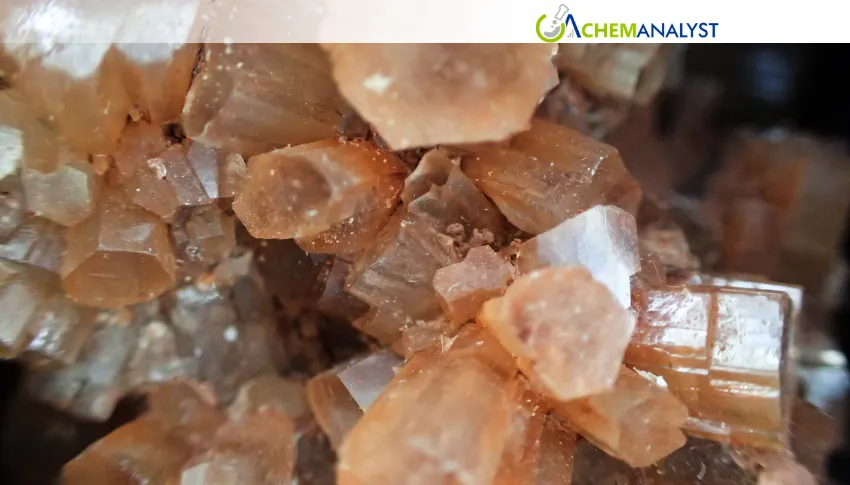
Dolomite prices in India climbed 9.29% during May 2026, driven primarily by surging demand from the country's iron and steel sector amid a broader rally in domestic steel and raw material markets. As of May 2026, steel prices across India remained firm, with hot-rolled coil rates ranging between INR 54,800 and INR 60,450 per metric tonne, supported by steady infrastructure spending and sustained capex push under the government's FY26-27 budget. This strength in finished steel pricing translated into firmer demand for key flux and refractory inputs such as dolomite, which is widely used in blast furnace and sponge iron operations.
The sponge iron segment, a major consumer of dolomite as a flux material, also saw notable price strength during the month, with sponge iron typically trading between INR 24,000 and INR 34,000 per tonne depending on quality and region as of May 2026. India's position as the world's largest sponge iron producer meant that any uptick in DRI (direct reduced iron) output translated directly into higher consumption of dolomite, which is added alongside iron ore and coal to control impurities during the reduction process.
Supply-side pressures compounded the demand-driven rally for dolomite price surge. India's structural reliance on imports, given that domestic dolomite production of roughly 12 million tons falls well short of the country's 18 million ton annual consumption, left the market vulnerable to logistics and input cost volatility. Reflecting wider raw material tightness across the steel value chain, India's iron ore and pellet imports rose nearly 50% year-on-year in January-May 2026, reaching 1.24 million tonnes in May alone, as major producers including JSW Steel ramped up shipments to support expanding crude steel output. This broader scramble for steelmaking raw materials likely added competitive pressure on quarrying, processing, and transport capacity that also serves the dolomite supply chain.
Seasonal factors typical of the pre-monsoon period in central and eastern India, where the bulk of domestic dolomite quarrying takes place, have historically disrupted extraction and inland logistics during May and June, while regulatory scrutiny of mining operations has periodically constrained output in key producing states. Rising fuel costs and limited railcar availability have also added to transportation expenses passed on to end buyers in recent quarters.
With steel and sponge iron demand expected to remain robust through the remainder of 2026 and import dependency continuing to expose the domestic market to cost pass-through, dolomite buyers in India's steel, cement, and refractory industries may continue to face firm pricing pressure in the near term, particularly if monsoon-related disruptions or mining restrictions intensify further.






Leave a Comment
Comments (0)