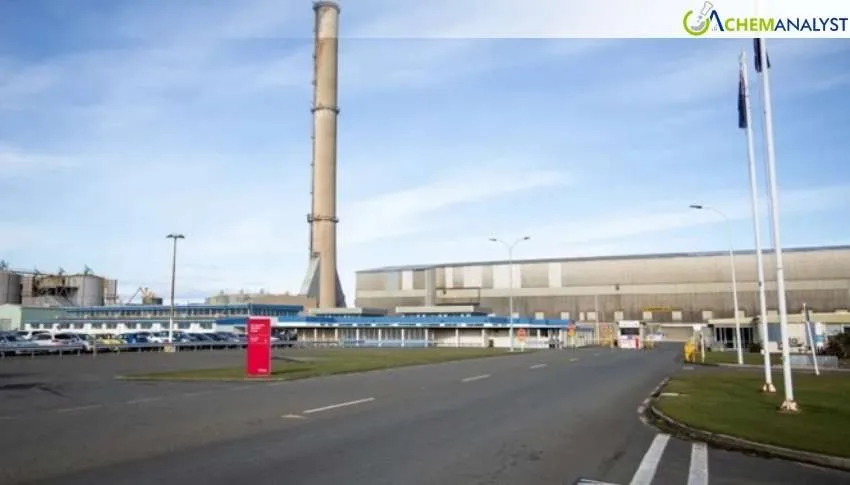
The primary cause of the dispute stems from a failure to reach a new collective employment agreement, with the E tu union alleging that Rio Tinto is employing "deliberate anti-union tactics" to avoid such an agreement and instead favour individual contracts. Workers are seeking "decent work" and an agreement that adequately recognises their contributions, job roles, and working conditions.
Specific demands include adjusting shift allowances to align with inflation, increasing recent pay rises by 1.5 percent, and shifting weekend public holidays to Mondays. The union highlights Rio Tinto's substantial profitability, reporting an underlying EBITDA of US$25.4 billion and a profit after tax of US$10 billion for 2025, arguing that workers deserve a fair share of this success. Conversely, Rio Tinto maintains that the terms and conditions it offers are competitive within both the Southland and wider New Zealand markets.
The strike carries considerable economic and industry-specific consequences. The Tiwai Point smelter is a crucial part of New Zealand's economy, generating approximately $1 billion in annual export revenue and directly and indirectly employing around 3,200 people. It is also a major consumer of electricity, utilising about 13 percent of the country's total supply (572MW).
The smelter's operations are vital for the Southland region, contributing an estimated $406 million to its economy, representing 6.5 percent of Southland's GDP.
Furthermore, it accounts for a third of South Port's cargo. While aluminium smelting cannot be easily halted and restarted, meaning the planned short strikes are more about exerting pressure than causing immediate production shutdowns, the industrial action comes at a sensitive time.
The smelter's long-term future, secured until at least 2044 through 20-year electricity arrangements in 2024, included demand response provisions that allow it to function as a critical part of the national electricity infrastructure. Unplanned disruptions from strikes could therefore impact the national grid, particularly heading into the winter months.
The dispute is also politically uncomfortable, as the New Zealand government has previously championed Tiwai's continued operation as a regional success story. Mediation between the union and Rio Tinto is scheduled for May 20, in an attempt to resolve the ongoing dispute.






Leave a Comment
Comments (0)