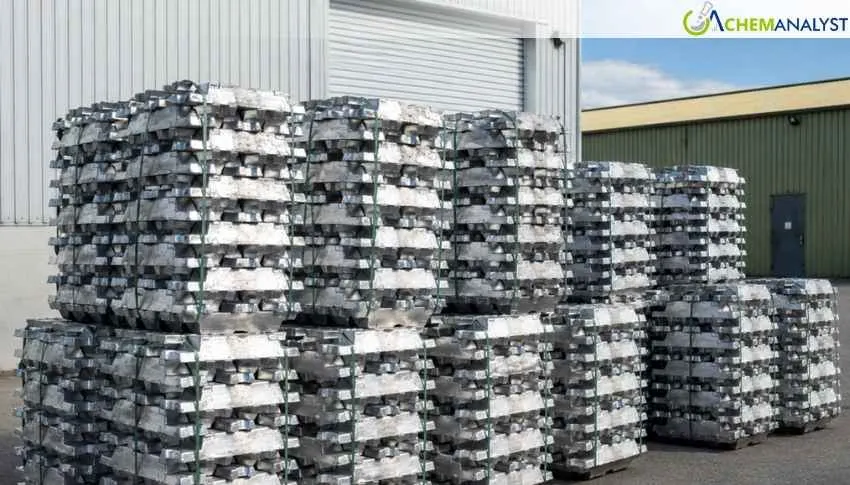
Tsingshan Holding Group, a major Chinese industrial conglomerate, is seeking to list aluminium produced by its Indonesian Hua Chin joint venture on the London Metal Exchange (LME), a move poised to significantly reshape global aluminium trade flows and supply dynamics. This application represents a crucial milestone in Indonesia's emergence as a key player in the global primary aluminium market and reflects a decade-long strategy of Chinese industrial investment across Southeast Asia.
The impetus behind Tsingshan's LME application is multifaceted. Firstly, it signifies the maturation of substantial Chinese capital deployment and operational expertise in Indonesia, particularly within industrial parks like Morowali and Weda Bay. Secondly, the initiative is strategically timed amidst global supply chain disruptions, especially those stemming from conflicts in the Middle East, a historically significant region for primary aluminium production. These geopolitical tensions have led to reduced output from major Middle Eastern smelters, creating a pressing need for supply diversification and easing global market tightness. Furthermore, China's domestic cap on aluminium output has compelled Chinese companies like Tsingshan to seek lower-cost production environments abroad, with Indonesia offering attractive conditions.
The potential LME approval for Hua Chin aluminium carries significant industry-specific and economic consequences. If approved, Hua Chin would become only the second Indonesian primary aluminium brand accepted for LME delivery, following state-owned Inalum, thereby cementing Indonesia's legitimacy as a major producer. The second phase of the Hua Chin facility, which commenced operations in 2026, boasts an annual production capacity of 480,000 tonnes of aluminium ingots, forming the basis of the LME application. Tsingshan has also announced plans for an additional 800,000 tonnes per year smelter in North Maluku, further underscoring the scale of its ambition.
Economically, this increased Indonesian supply is expected to help alleviate global market tightness and could influence LME aluminium prices, with some analysts projecting potential price increases towards 4,000-5,000 per tonne in scenarios of significant Middle East disruption. Indonesia's total aluminium output is projected to reach 1.98 million tonnes by the end of 2026, with a substantial portion of exports, approximately 40%, directed back to China. This dynamic highlights a strategic mechanism for Chinese industrial groups to leverage lower-cost Indonesian production while maintaining supply chain control. Geopolitically, Tsingshan's expansion reinforces Indonesia's position as a burgeoning metals processing hub, driven by considerable Chinese investment, and marks a broader shift in global aluminium supply chains towards greater resilience and diversification away from volatile regions. Tsingshan, already a dominant force in nickel production, is strategically expanding its influence in the aluminium sector, forging partnerships and exploring investments from major commodity trading giants.







Leave a Comment
Comments (0)