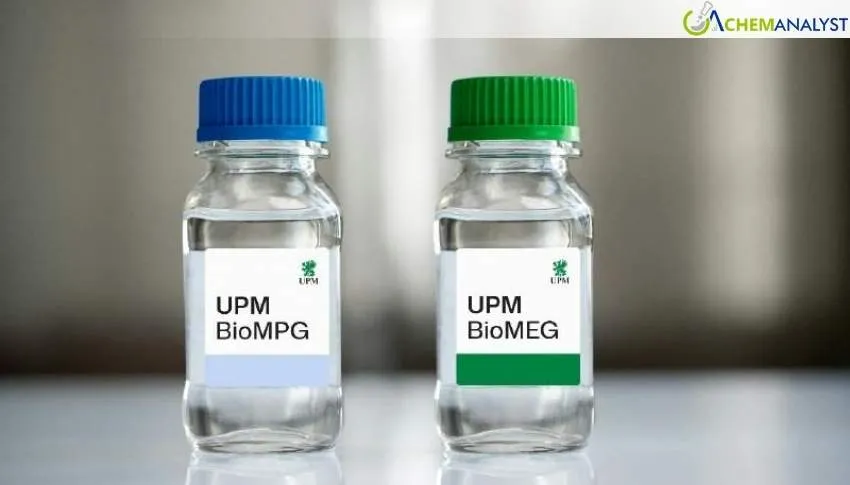
UPM has acquired the intellectual property (IP) related to Avantium's Ray Technology, a significant move set to bolster UPM's capabilities in the production of bio-based glycols. The acquisition encompasses Avantium's patent portfolio and invention disclosures for the technology, which is designed to produce bio-based mono-ethylene glycol (MEG) and mono-propylene glycol (MPG) from plant-based sugars. These bio-based glycols serve as sustainable alternatives to their fossil-based counterparts and are crucial for various industrial applications, including packaging, textiles, and industrial fluids.
This strategic acquisition aligns with UPM's broader commitment to developing renewable alternatives to fossil-based raw materials and accelerating the shift towards a circular bioeconomy. According to Harald Dialer, Chief Technology Officer at UPM, the deal strategically expands UPM's IP portfolio in bio-based glycols, enhancing its "freedom to operate" as the company scales its industrial production of renewable chemicals. It also adds future process configuration options and reinforces UPM's position as a frontrunner in bringing lignocellulosic biomass-based chemicals production to industrial scale, particularly with the ongoing startup of its Leuna biorefinery in Germany. The Leuna biorefinery is described as the first industrial-scale facility for lignocellulosic biomass-based chemicals production, aiming to produce approximately 220,000 tonnes of advanced, renewable chemicals annually from sustainably managed hardwood forests.
For Avantium, the divestment of Ray Technology IP reflects a strategic refocus on its core business: the commercialization and licensing of its FDCA (furandicarboxylic acid) and PEF (polyethylene furanoate) technology platform. Avantium had put further development of Ray Technology on hold by the end of 2023, citing that scaling it to commercial production would have required substantial additional investments. The company concluded that divesting the IP was the most appropriate step given its strategic priorities and capital allocation discipline. The transaction generated €2.7 million in cash for Avantium, with €2.0 million allocated to partially repaying debt and the remainder for dismantling the idle Ray pilot plant.
Economically, while the transaction was not financially material for UPM, its strategic value is significant in expanding UPM's intellectual property and market positioning in renewable chemicals. For Avantium, the sale provides capital and allows for a clearer focus on its more advanced FDCA and PEF technologies, which have already secured multiple commercial agreements.
The industry-specific impact of this acquisition is substantial for the bio-based chemicals sector. It supports the rapid development of a robust industrial bioeconomy in Europe by enabling multiple industrial-scale renewable materials solutions to enter the market concurrently. The global bio-based chemicals and biochemicals sector is projected to grow significantly, from USD 72.6 billion in 2023 to nearly USD 198 billion by 2033, underscoring the strategic opportunities in this area. This collaboration between UPM and Avantium contributes to reducing reliance on fossil raw materials and accelerates the broader chemical industry's transformation towards a more sustainable and circular future.







Leave a Comment
Comments (0)